

Dubai’s Luxury Real Estate Surges in 2025
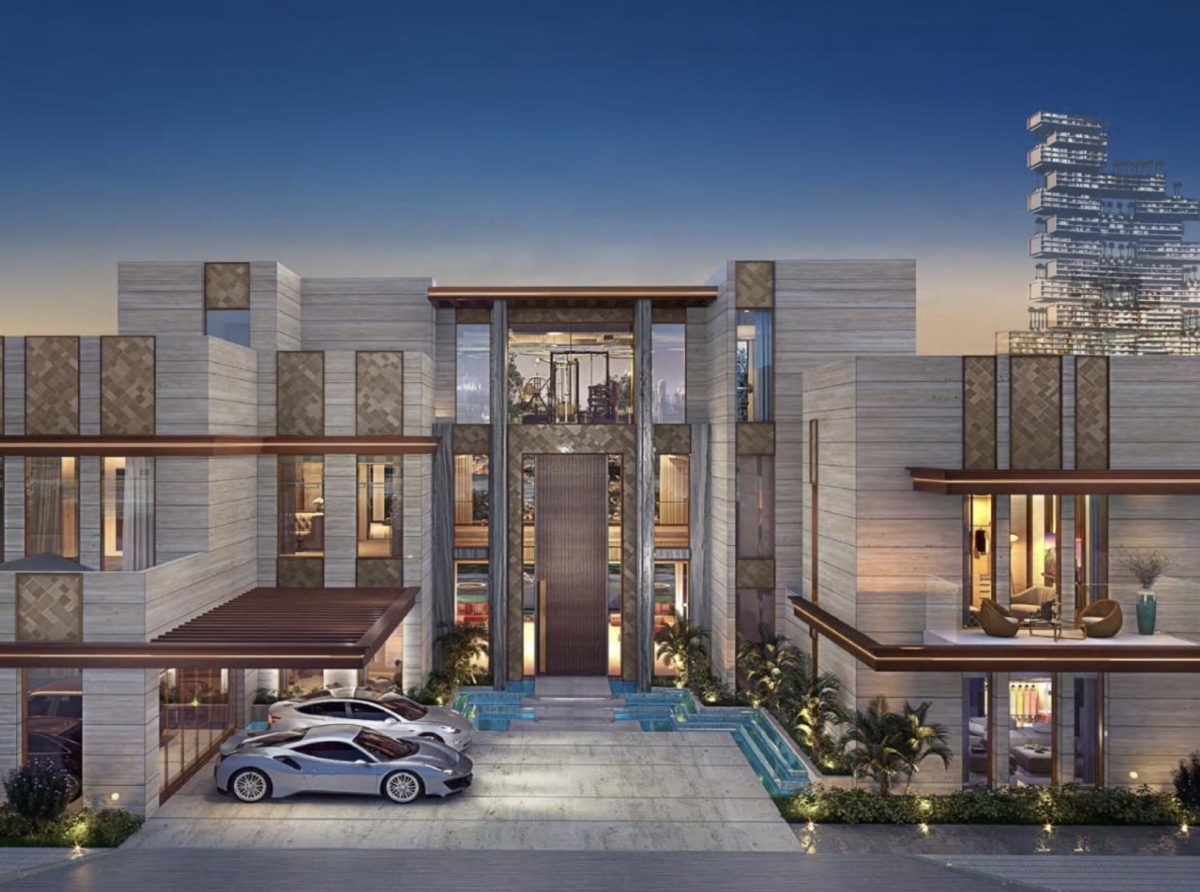
In Dubai’s glittering skyline, where Palm Jumeirah’s villas and Downtown Dubai’s penthouses define opulence, the luxury real estate market soared in 2025. The Julius Baer Global Wealth and Lifestyle Report 2025 reported a 27% increase in luxury property sales, fueled by a 102% rise in high-net-worth individuals (HNWIs) since 2020. With transactions above $10 million up 93.2% in the first five months, per Dubai Land Department data, Dubai’s tax-free policies and global connectivity have made it a magnet for the wealthy. Yet, rising costs for the city’s low-wage workers highlight persistent inequalities.
Dubai’s appeal draws global elites, with 9,800 millionaires projected to relocate to the UAE in 2025, per Henley & Partners, hosting 81,200 millionaires and 20 billionaires. Palm Jumeirah villas, priced up to $120 million, and Downtown Dubai penthouses, reaching $20 million, led with 590 sales above AED 20 million ($5.4 million) in Q1 2025. In May, sales hit $18.2 billion, up 44% year-on-year, with 3,105 deals above AED 10 million ($2.7 million), per Seven Luxury Real Estate. A square foot of prime property costs $1,020, compared to $2,732 in New York.
The emirate’s zero-tax environment and Golden Visa, offering 10-year residency for AED 2 million ($544,500) investments, attract buyers from India, the UK, and China. The Dubai Land Department recorded 94,000 residential sales in H1 2025, up 23.04%, valued at AED 326.7 billion ($88.9 billion). Off-plan properties, 69% of Q1 deals, rose 24%. Developments like Emaar Beachfront and Dubai Creek Harbour offer smart homes with blockchain-backed transactions.
Non-oil GDP, at 55% in 2024 per Deloitte, and 18.7 million tourists bolster demand. Dubai International Airport’s 92.3 million passengers in 2024, per Dubai Airports, enhance connectivity. However, Fitch Ratings predicts a 10-15% price correction in 2025 due to 41,000 new units. Among 3.7 million residents, 88% expatriates per the Dubai Statistics Center, low-wage workers face affordability issues. The city’s high carbon footprint, contrasts with its 75% clean energy goal by 2050.
Photo credits: Luxury Property. Villa in Palm Jumeirah.
Alexander Agafiev is former tech contributing writer for Forbes Monaco.

Alexander Agafiev

Vladyslava Garkusha
Disclosure: Dubai Voice enhances the editing process with the help of carefully selected AI tools. These tools provide valuable support without taking over the editing process completely, ensuring that the final product is the result of human creativity and expertise augmented by the benefits of enhanced technology. This article is protected under the copyright of Dubai Voice. Unauthorized reprinting, republishing, or rewriting of this content is strictly prohibited without explicit permission from Dubai Voice. Quotations from this material are permissible provided that a direct link to the full article on Dubai Voice is included.