Under the patronage and directives of His Highness Sheikh Mohammed bin Rashid Al Maktoum, Vice President and Prime Minister of the United Arab Emirates and Ruler of Dubai, the Private Office of His Highness the Ruler of Dubai organised desert cycling...
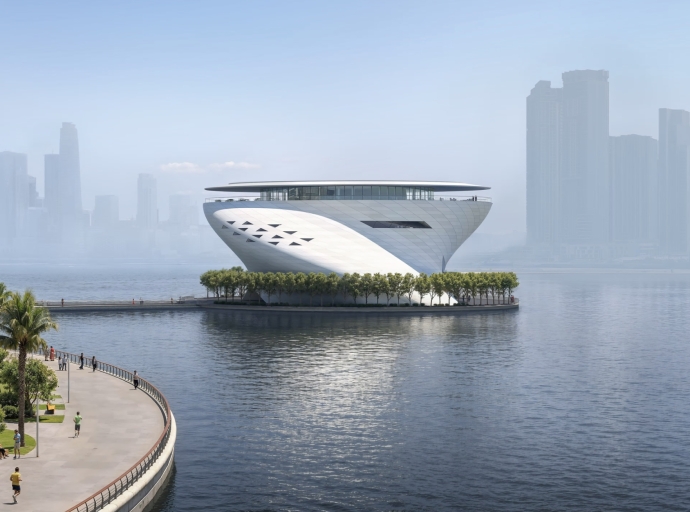
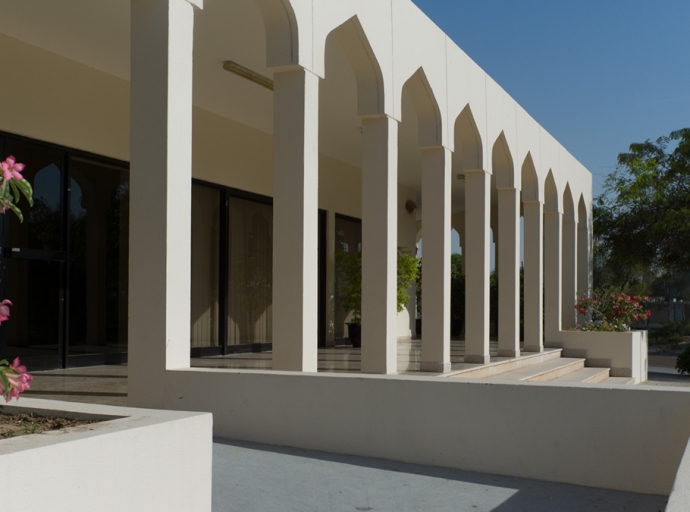
In a defining moment for Dubai’s cultural landscape, His Highness Sheikh Mohammed bin Rashid Al Maktoum, Vice President and Prime Minister of the UAE and Ruler of Dubai, inaugurated the Dubai Museum of Art (DUMA) on October 25, 2025. Developed by the Al-Futtaim Group and designed by Japanese architect Tadao Ando, the museum stands on the waters of Dubai Creek as a new architectural and cultural landmark.
The Dubai Museum of Art represents the city’s ongoing effort to establish itself as a global center for creativity and innovation. Conceived under Sheikh Mohammed’s vision to make Dubai a leading destination for artists and creative industries, DUMA is intended to strengthen the city’s position in the international art community. Through its exhibitions, educational programs, and artist exchanges, the museum will serve as a platform for dialogue and collaboration among artists from around the world.
Architecturally, the museum reflects both heritage and modernity. Ando’s design—defined by clean geometry, light, and natural materials—draws inspiration from Dubai’s maritime history. The building’s curved shell, modeled after the form of a pearl, encases a circular exhibition hall symbolizing unity and discovery. A central oculus channels natural light through the space, recalling the shimmer of the sea that has long defined Dubai’s identity.
The five-storey structure includes adaptable galleries, a restaurant, and dedicated spaces for educational programs, discussions, and art fairs. Facilities such as a library, study rooms, and training programs are designed to support creative learning and the professional growth of emerging artists.
Tadao Ando, the 1995 Pritzker Architecture Prize laureate, is known for integrating architecture with its natural surroundings through minimalist concrete forms and controlled light. His notable works include the Chichu Art Museum in Japan, the Bourse de Commerce in Paris, and the Modern Art Museum of Fort Worth in Texas.
With the Dubai Museum of Art, the city adds a new dimension to its evolving identity—one rooted in cultural ambition and openness to global artistic exchange.
Photo credits: Government of Dubai Media Office
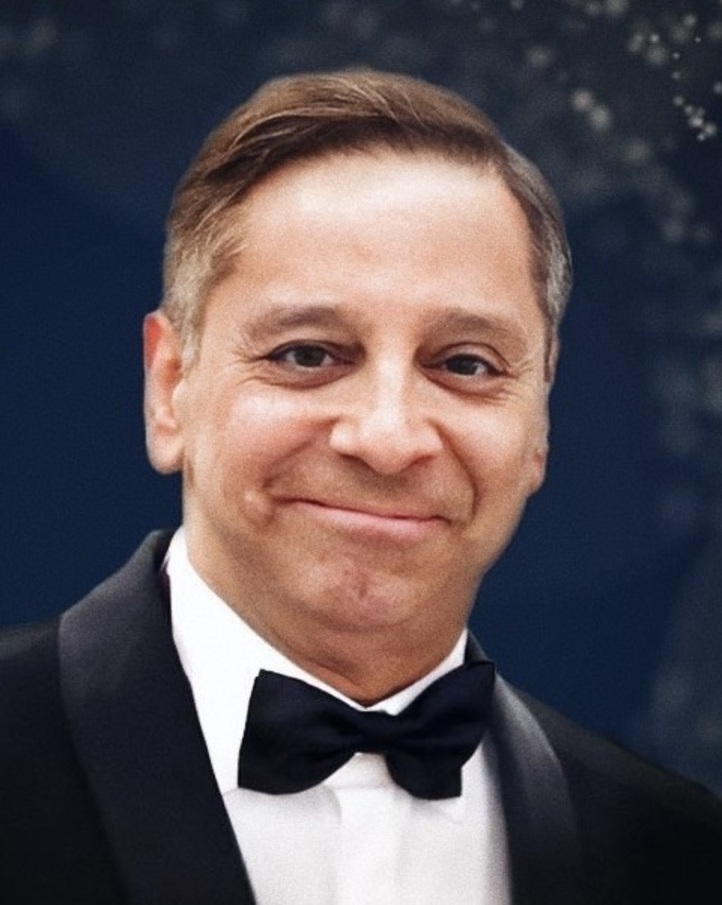
Alexander Agafiev
Alexander Agafiev is former tech contributing writer for Forbes Monaco.
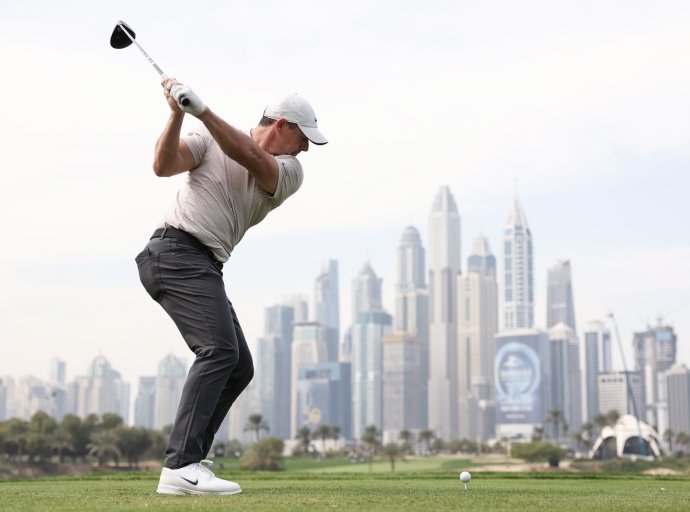
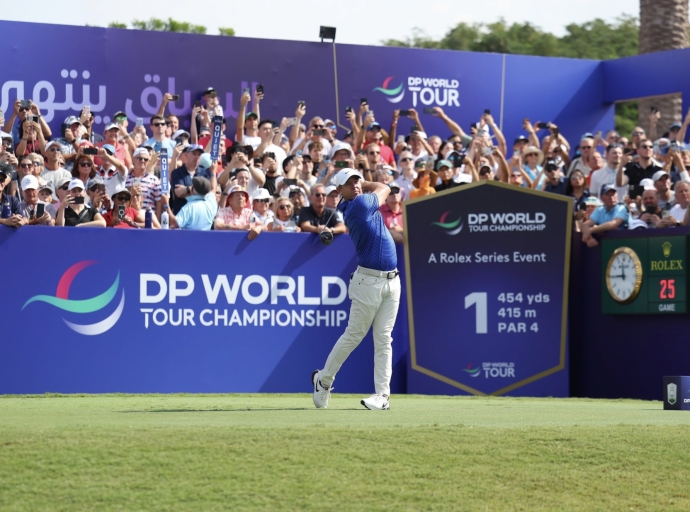
Rory McIlroy, fresh off a milestone season that saw him complete the career Grand Slam with a victory at Augusta National, has confirmed his participation in the 2026 Hero Dubai Desert Classic. The tournament, part of the DP World Tour’s Rolex Series, will take place from January 22 to 25 at Emirates Golf Club.
The appearance will mark a personal milestone for McIlroy: 20 years since his first participation in the tournament as an amateur in 2006. Now a five-time major champion and currently ranked second in the world, McIlroy leads the Race to Dubai Rankings and is expected to represent Team Europe at the Ryder Cup next week.
McIlroy’s relationship with the Hero Dubai Desert Classic is among the most storied in modern golf. His first professional win came at the event in 2009 at the age of 19. He went on to secure further victories in 2015, 2023, and 2024, making him the tournament’s only four-time champion. A fifth win in 2026 would set a new record.
“It’s been a very special year for me, and I’m excited about what’s still to come,” McIlroy said in a statement. “The Hero Dubai Desert Classic has always been one of my favourite tournaments, and I’m really looking forward to returning to Emirates Golf Club in January. I consider Dubai a second home – the support there is always incredible, and it’s the perfect place to start the year.”
Organizers of the event have confirmed that the 2026 edition will include several expanded offerings for spectators. Alongside the competition itself, the event will again host its “Tournament Town,” a fan zone featuring live entertainment, food and beverage options, family activities, and interactive experiences. Wellness programming and children’s events are also scheduled.
Ticketing for the event has opened with early bird pricing. General admission remains free on Thursday and Friday, with weekend entry starting at AED 75 during the promotional period. Children under 17 will be granted free access throughout the tournament. Premium hospitality packages, including access to the Dallah Lounge and The Social on Sixteen, are also available.
The Dallah Lounge offers proximity to the 9th and 18th greens and includes all-day dining and views of the Dubai skyline. The Social on Sixteen, located at the 16th hole, returns in 2026 with expanded capacity and offers a package of casual dining and four hours of complimentary beverages.
The tournament, now in its 37th year, is the oldest professional golf event in the Middle East. It has held Rolex Series status since 2017 and is recognized by the Golf Environment Organization (GEO) for its sustainability efforts. The 2026 edition will continue the event’s focus on environmental responsibility and wellness, including a dedicated Mental Fitness Zone for players and support staff. The zone, which debuted in a previous edition, is intended to offer participants a quiet space during the high-pressure tournament week.
Organizers also plan to prioritize public transportation options for spectators, with the Emirates Golf Club’s proximity to Dubai Metro stations and taxi access intended to reduce the event’s environmental footprint.
“Rory’s return is the perfect way to launch our 2026 event,” said Simon Corkill, Executive Tournament Director. “To welcome him back as the Masters champion after perhaps the finest season of his career only reinforces the prestige of this tournament. With affordable ticketing, sustainability initiatives, and a renewed focus on wellness and family engagement, we are continuing to build the Hero Dubai Desert Classic as both a leading golf tournament and a major event on Dubai’s sporting calendar.”
Photo credits: Government of Dubai Media Office
Alexander Agafiev
Alexander Agafiev is former tech contributing writer for Forbes Monaco.
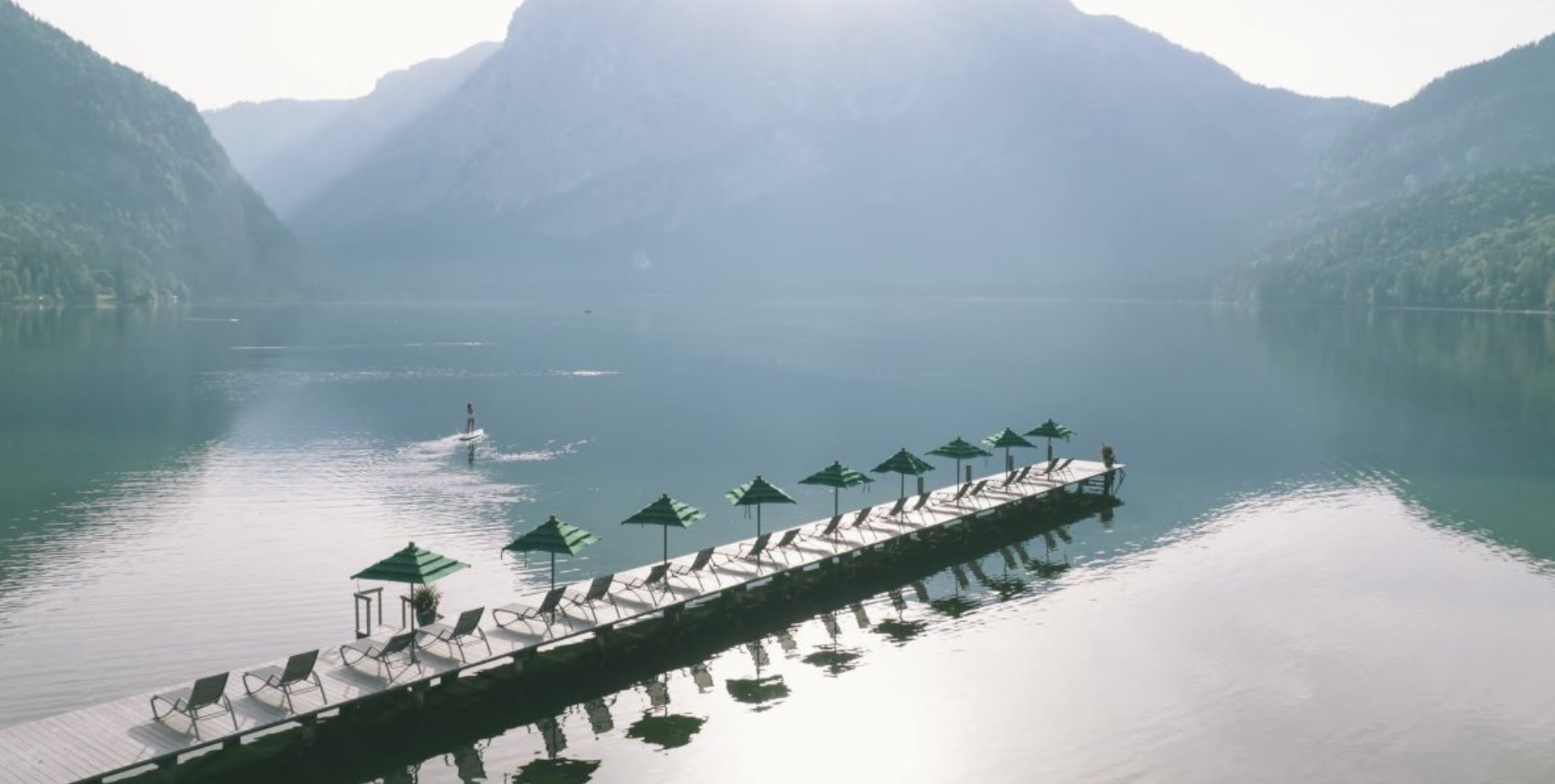
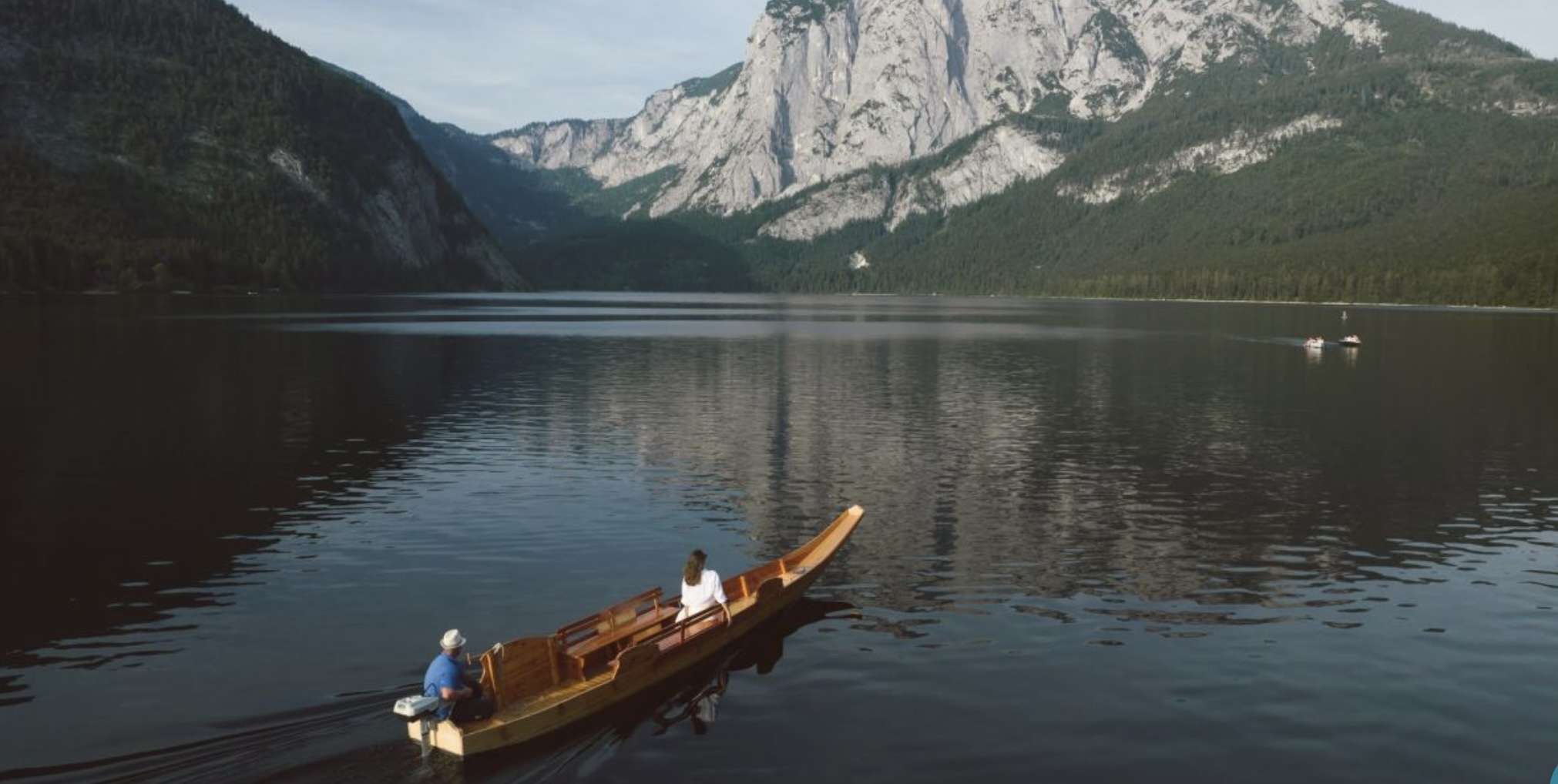
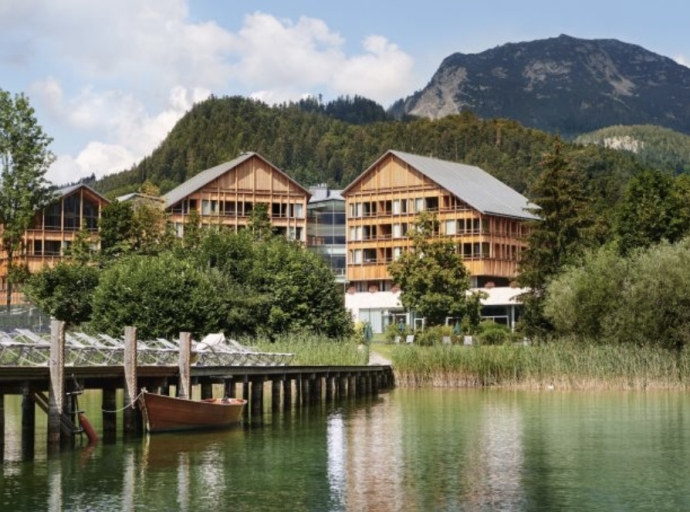
After a restorative sojourn at a Swiss wellness clinic, my pursuit of equilibrium - physical, mental, metabolic - drew me next to Mayrlife, a medical spa poised like a secret on the glassy banks of Lake Altaussee, deep in the Austrian Alps. More than a retreat, Mayrlife was whispered about as a sanctuary for those seeking not just renewal, but recalibration: a medically supervised immersion into the art and science of well-being, particularly for those - like me - wrestling with the early edges of pre-diabetes.
The clinic’s legacy begins with Dr. Franz Xaver Mayr, an early 20th-century Austrian physician who argued, long before “gut health” became a hashtag, that all vitality begins in the digestive tract. To Mayr, a troubled gut was not a local problem - it was the root of systemic dysfunction. His cure was deceptively simple: rest, cleanse, and retrain the digestive system. A century later, that principle still anchors the Mayrlife method, though the tools have evolved dramatically.
Today, Mayrlife’s version of the Mayr Cure merges tradition with twenty-first-century precision. Before the first herbal tea is poured, guests undergo an array of diagnostics - food intolerance testing, full blood panels, and body composition scans - forming the blueprint for an exquisitely personalized program. Days unfold in rhythm: cryotherapy, therapeutic massages, and medically guided nutrition plans, all supervised by clinicians whose manner is both meticulous and reassuringly kind.
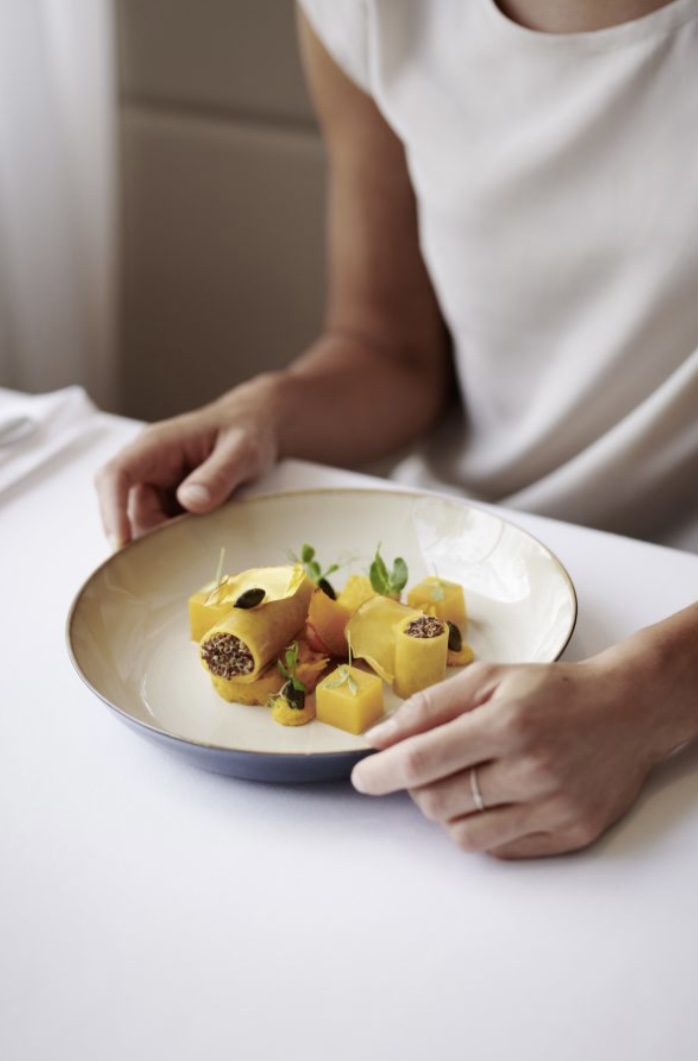
But the true revelation, at least for me, wasn’t the lab work or the treatments - it was the act of eating itself. Mayrlife treats every meal as a meditation. Chewing - thorough, mindful, and slow - is nonnegotiable. In an age that prizes efficiency over awareness, this simple directive feels almost radical. Each bite becomes a conscious moment, a recalibration of attention that reminds you food is not fuel alone, but communication between body and brain.
There’s also the choreography of the meal: vegetables first, then proteins, then carbohydrates. This isn’t aesthetic preference but metabolic strategy, designed to stabilize blood sugar and reduce post-meal spikes - critical for anyone managing insulin sensitivity. Every sequence, every portion, is rooted in clinical evidence yet executed with the elegance of ritual.
And then there’s the atmosphere itself: no phones, no noise, no rush. Meals are taken against the backdrop of Alpine stillness, where mist hangs low over Lake Altaussee and time, briefly, loosens its grip. Presence becomes its own medicine.
Perhaps most compelling is the clinic’s embrace of the gut as a “second brain.” Housing up to 70 percent of the immune system and deeply entangled with the nervous system, the gut-brain axis is now a serious subject of scientific research - a link between digestion, mood, and cognition that Dr. Mayr seemed to intuit a century ahead of his time.
By the end of my stay, what had begun as a wellness experiment felt more like a quiet awakening. The lesson was elemental yet profound: health begins not with supplements or superfoods, but with the simple, intelligent act of eating well - and paying attention while doing it.
In a world enthralled by quick fixes and glittering diet trends, Mayrlife’s message is refreshingly unglamorous: true wellness is not invention, but return. Return to balance, to awareness, to the rhythm of a body that already knows what it needs - if only we’d listen.
And perhaps that’s the real question the Mayrlife philosophy poses: if the gut holds the key to our vitality, why is this wisdom still treated as luxury, rather than common knowledge?
Photo credits: Mayrlife
Luiz Costa Macambira
Luiz F. Costa Macambira is the former Publisher of Forbes Monaco and Forbes Netherlands.
The DP World Tour has announced its 2026 global schedule, featuring 42 tournaments across 25 countries and a record prize fund of $157.5 million, excluding the Major Championships. Marking a continued push into new markets and reinforcing its stature as golf’s premier international circuit, the Tour’s revamped structure underscores both its global ambition and commitment to competitive integrity.
The 2026 season will follow the now-familiar three-phase structure: five “Global Swings,” the “Back 9,” and the climactic “DP World Tour Play-Offs” in November. Among the key highlights is the introduction of the Estrella Damm Catalunya Championship, which will open the European Swing from May 7–10 at Real Club de Golf El Prat in Barcelona. This marks El Prat’s first DP World Tour event since 2015 and comes as Spain prepares to host the 2031 Ryder Cup at Camiral - becoming the first continental European country to do so twice.
Another significant addition is a new venue for the Amgen Irish Open, which moves to Trump International Golf Links Ireland in Doonbeg for the first time. Scheduled for September 10–13, the tournament remains a key fixture in the “Back 9” portion of the calendar.
The season will also feature increased alignment with the PGA TOUR, including the addition of the Corales Puntacana Championship in the Dominican Republic to the Race to Dubai from July 16–19. The Genesis Scottish Open (July 9–12), again co-sanctioned with the PGA TOUR, remains a cornerstone of the calendar as one of five Rolex Series events.
The Rolex Series will also include the Hero Dubai Desert Classic (January 22–25), the BMW PGA Championship (September 17–20), and the two Play-Off events: the Abu Dhabi Championship (November 5–8) and the DP World Tour Championship (November 12–15), where the 2026 Race to Dubai champion will be crowned. Dubai will host three events in total, including the returning Dubai Invitational from January 15–18.
In tandem with the schedule release, the DP World Tour announced key changes to its membership and qualification structure, aimed at creating more equitable access and greater predictability for players. Notably, the cut-off to retain a full Tour card will be tightened from the top 110 to the top 100 in the Race to Dubai Rankings. Meanwhile, the number of Qualifying School cards will be reduced from the top 20 and ties to the top 15 and ties.
Further refinements include changes to categories for players ranked just outside the top 100, re-ranking mechanisms for conditional status, and reduced card availability via the HotelPlanner Tour and the Road to Mallorca Rankings. The pathways for international talent remain open, with leading players from six global tours retaining eligibility for DP World Tour access.
Chief Executive Guy Kinnings described the 2026 framework as a “compelling season-long narrative,” emphasizing the Tour’s commitment to showcasing elite talent across diverse international venues. “Our thanks go to our partners, broadcasters, promoters, federations, and partner Tours for their support,” Kinnings said. “Together, we continue to spotlight the considerable depth of international talent on golf’s global Tour.”
With new venues, increased prize money, and a restructured pathway for professional advancement, the 2026 DP World Tour reaffirms its role as a central force in the global golfing calendar.
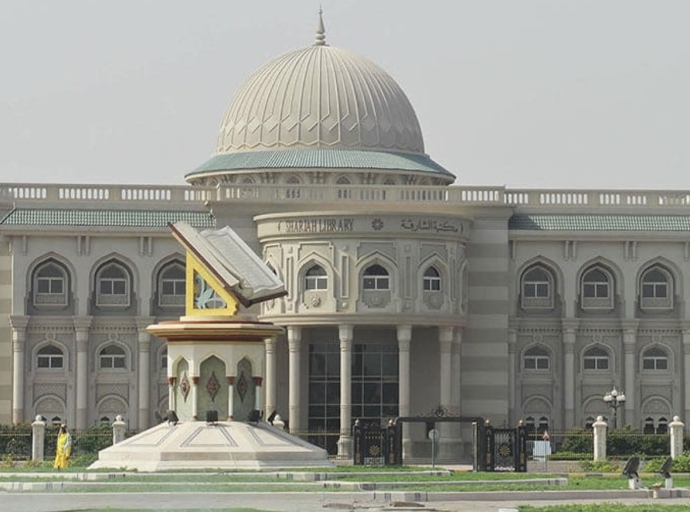
In a continued push to foster digital literacy and professional development, Sharjah Public Libraries has unveiled an enhanced version of its Smart Knowledge Library, offering residents across the United Arab Emirates free access to online courses in digital skills, entrepreneurship, and other professional fields.
The platform, which was officially relaunched on August 28, now features a streamlined mobile-friendly interface and a broad catalog of short educational courses available in both Arabic and English. Developed with accessibility in mind, the updated system includes video tutorials to assist users through the enrollment process and offers instant digital certificates upon course completion.
Originally introduced in 2021, the Smart Knowledge Library was established as part of Sharjah’s long-term strategy to promote self-learning and professional development. During the COVID-19 pandemic, Sharjah Public Libraries gained recognition for making over 15 million digital resources freely available to the public - an initiative that underscored the emirate’s commitment to open access education and digital inclusion.
The platform’s expansion is aimed at cultivating a knowledge-based society by integrating digital culture and continuous learning into daily life. Courses are led by recognized subject matter experts and incorporate interactive assessments to enhance user engagement and retention.
Sharjah Public Libraries, operating under the Sharjah Book Authority, continues to position itself at the forefront of digital education initiatives in the region, reaffirming its role as a key player in the UAE’s broader knowledge economy.
Since opening its doors in 2022, Dubai’s Museum of the Future has done more than capture the world's architectural imagination. It has positioned the emirate as a serious player in the global conversation around innovation, technology, and speculative thought. It is no small feat for a city often viewed through the prism of luxury and commerce.
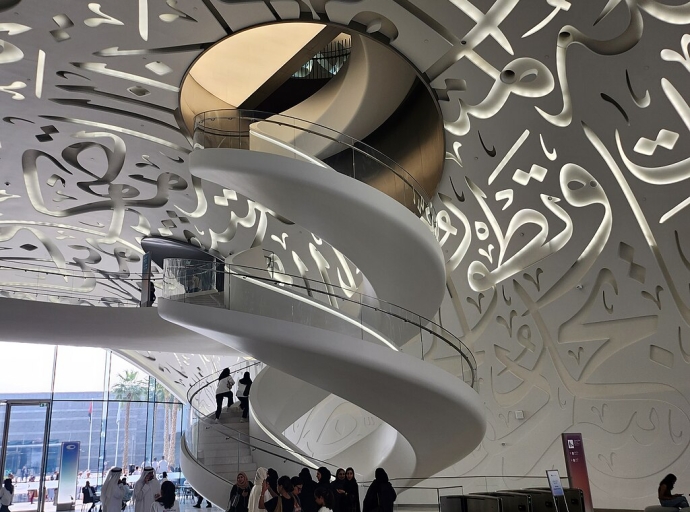
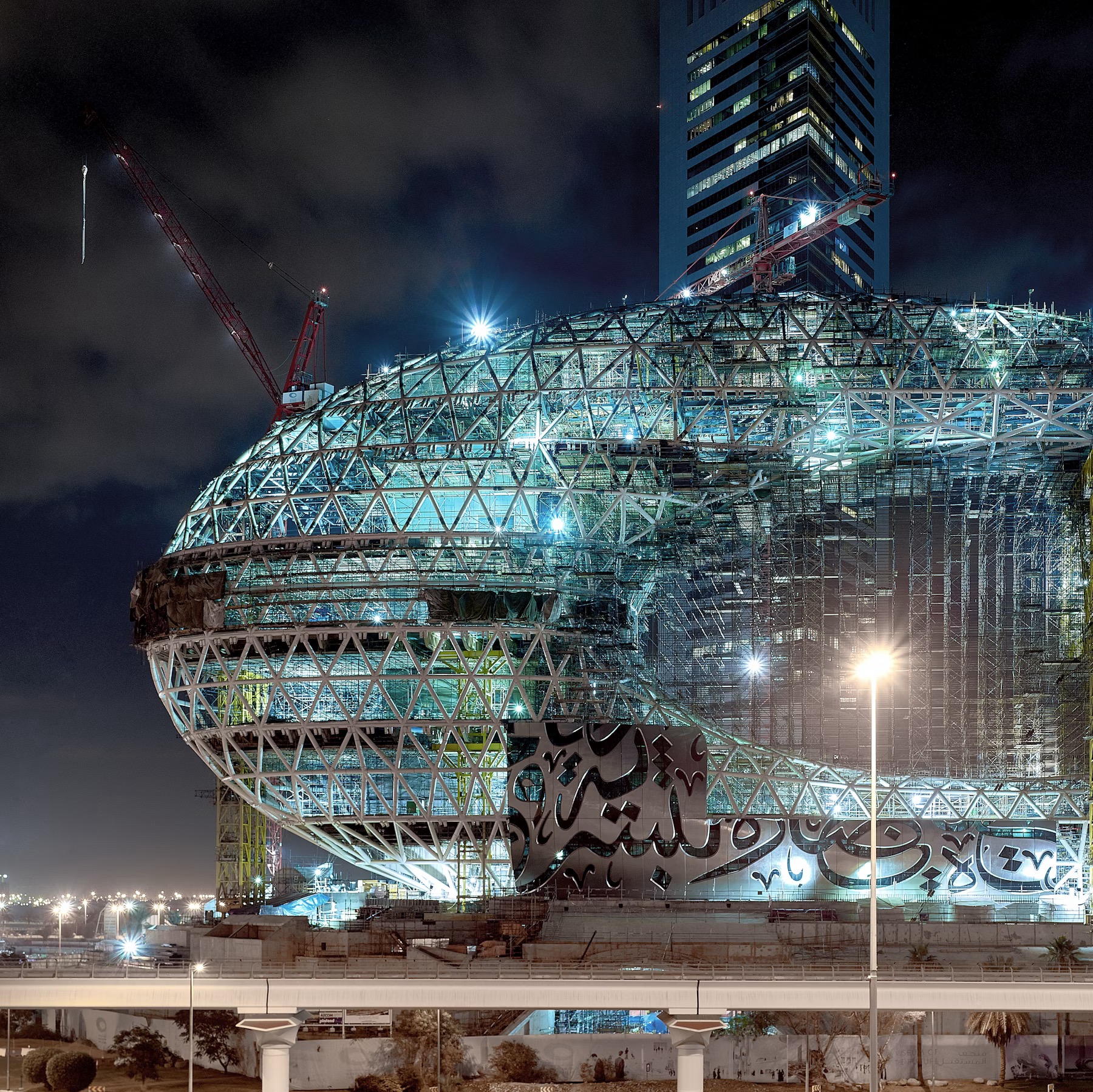
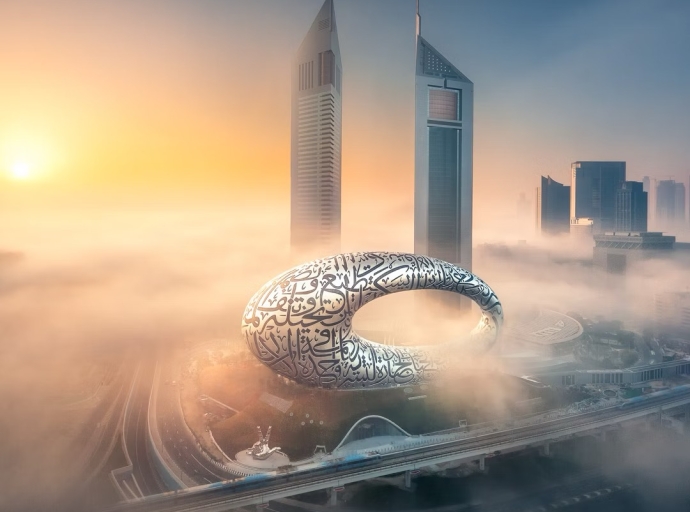
Housed in an elliptical structure etched with Arabic calligraphy and dubbed “the most beautiful building on Earth” by His Highness Sheikh Mohammed bin Rashid Al Maktoum, the museum is not merely a monument to design—it is a forward-looking institution with a clear intellectual agenda.
Inside, the exhibits span topics such as artificial intelligence, space exploration, climate change, and bioengineering. Unlike traditional museums, it resists nostalgia. It is unapologetically focused on the decades to come, encouraging young visitors to envision themselves as participants in shaping the future.
More importantly, it reflects the UAE’s broader national priorities: investing in knowledge economies, fostering STEM education, and building a generation of thinkers, makers, and doers. The museum’s integration with schools and universities across the country underscores this vision.
Still, for such a bold project to realize its full potential, it must remain more than an attraction. The museum should evolve into a hub for research, cross-cultural dialogue, and policy incubation. This means hosting global scholars, publishing original research, and addressing the ethical dilemmas that accompany technological progress.
The Museum of the Future has already established itself as a landmark achievement in design and ambition. What remains is for it to deepen its role—as a catalyst for thought, a space for discovery, and a driver of meaningful innovation that serves not only the region, but the world.
Dubai is evolving into a global education hub, attracting international institutions and edtech investment to shape the region’s future workforce.
With Knowledge Park, Dubai International Academic City, and partnerships with global universities such as University of Birmingham, Heriot-Watt, and Rochester Institute of Technology, Dubai offers diverse programs from engineering to media studies.
In 2023, the UAE Ministry of Education announced reforms to integrate AI and climate studies into K-12 curriculums, preparing students for a rapidly shifting world. International schools in Dubai now rank among the best globally, with British, American, Indian, IB, and French curriculums widely available.
At the tertiary level, the focus on innovation, entrepreneurship, and future skills has created a knowledge-based economy parallel to oil revenues - mirroring the UAE's national diversification goals.
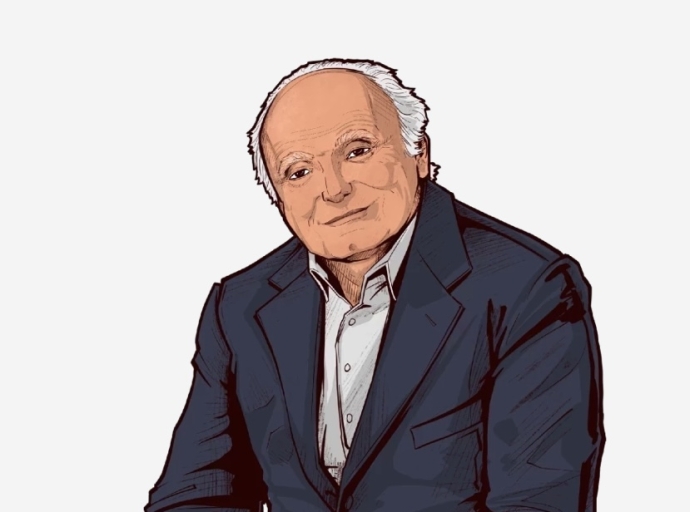
David Nahmad is one of the most influential figures in the international art world and among the largest collectors of Picasso works globally. A recent article in The Monegasque™ magazine by Karolina Blasiak offers a rare, in-depth look at his philosophy, legacy, and enduring impact on global culture.
IN THE RADIANT HEART OF MONACO’S cultural capital, David Nahmad stands as a beacon of art and humanity, his boundless passion for masterpieces weaving a tapestry of cultural unity that transcends borders. Born in 1947 in Beirut, Lebanon, to a Jewish family Nahmad’s journey from Lebanon to Italy to Monaco is defined by an insatiable love for art and a profound commitment to sharing it with the world.
Honored with France’s prestigious insignia of Knight of the Order of Arts and Letters (Chevalier de l'ordre des Arts et des Lettres) for his contributions to arts and culture, Nahmad is more than a collector - he is a global ambassador of elegance, fostering peace and understanding through the universal language of art. A titan of the art world, he and his family oversee a vast collection of valuable artworks, including an unrivaled 300 (and counting) Picassos, worth billions, solidifying his status as a preeminent marchand d’art and collector.
Much like Gustave Fayet, the early 20th-century French artist and collector dubbed the “Sovereign Eye” for his discerning taste in avant-garde art, Nahmad possesses an extraordinary ability to identify and acquire masterpieces that define cultural epochs. Both men, driven by a profound passion for art, have shaped the market through their visionary acquisitions - Fayet with his early support for Gauguin and Redon, and Nahmad with his strategic mastery of impressionist and modern treasures, from Monet to Rothko and Calder. Their shared legacy lies in their sharp, almost prophetic instincts, curating collections that not only reflect their times but also redefine the value of art itself.
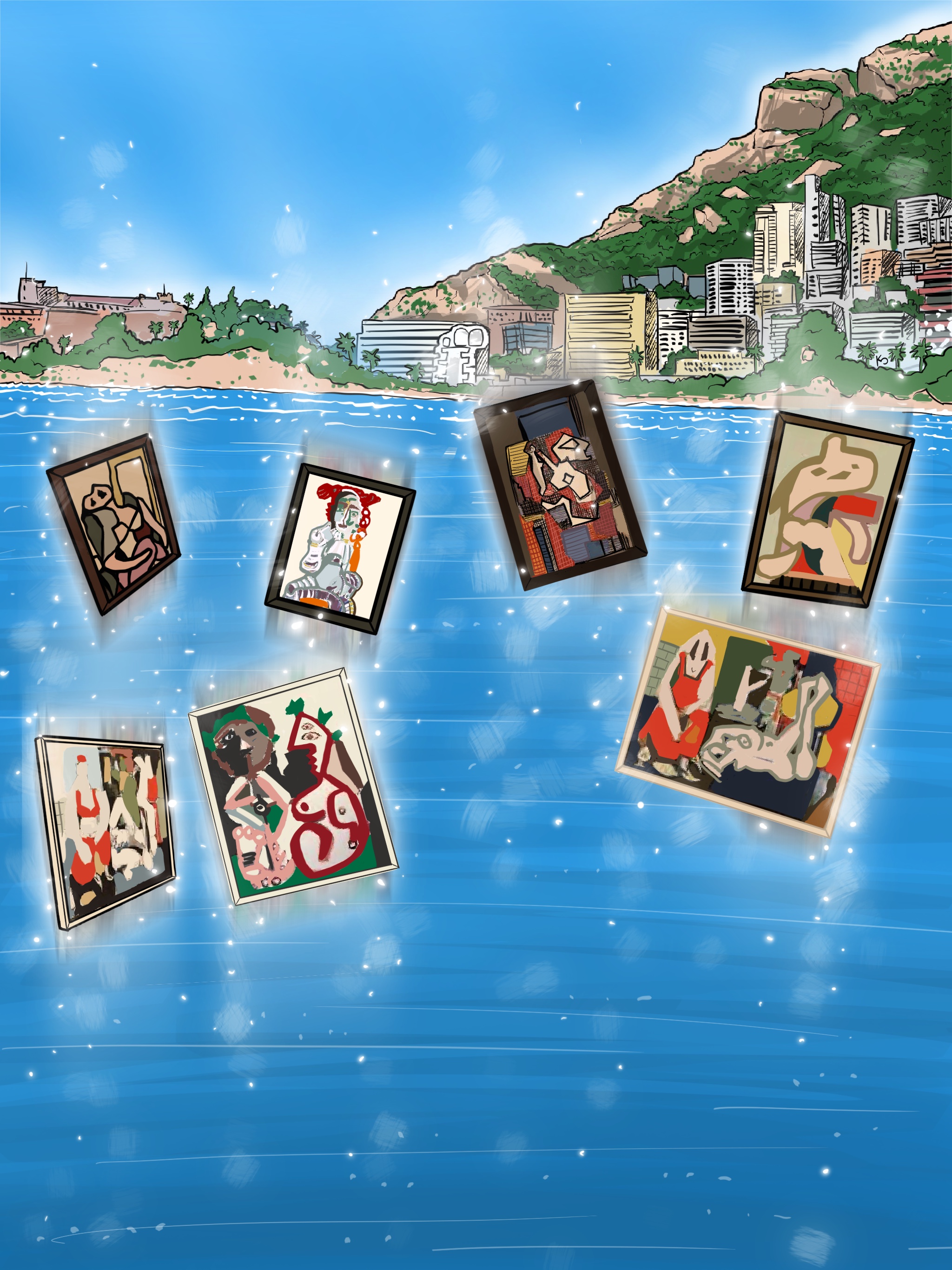
Called “the man with a thousand paintings,” Nahmad’s collection, including iconic Picassos, Monets, and Kandinskys, represents a lifelong devotion to preserving humanity’s creative legacy. The most recent exhibition, “From Monet to Picasso”, ran through June 2025 at the Musée des Impressionnismes Giverny and showcased 57 of his finest treasures: Eugène Delacroix’s Juive de Tanger en costume d’apparat, 1835, luminous Monets, timeless Henri de Toulouse-Lautrec, symbolic par l’excellence Gustave Moreau, vibrant Renoirs, evocative Degas, and Italian masters like Boldini and Zandomeneghi. This exhibition was but one chapter in Nahmad’s tireless mission to bring art to the world, with his masterpieces gracing museums from Tokyo to Nice, and from the Louvre to the Metropolitan, as well as Monaco’s own Grimaldi Forum.
“It’s better if the works can travel,” says David Nahmad, ensuring that art’s transformative power reaches all corners of the globe.
His passion was ignited in the 1960s by his visionary brother Giuseppe (known as “Joe”), who welcomed artists like DeChirico, Fontana, and Giacometti into their Milan home. By 1967, David, who abandoned his civil engineering studies, and his brother Ezra began dealing in art, driven not by profit but by an irrepressible love for beauty.
“We bought paintings when nobody wanted to buy - out of passion,” Nahmad recalls, recounting early purchases of Picassos and Kandinskys for mere thousands. His philosophy, “buy and hold,” reflects a collector’s heart, tempered by a duty to protect art for future generations. Even today, his energy remains relentless, scouring auctions for new treasures - and recently acquiring spectacular Dubuffets, Picassos, and a Fontana, to valorize and share with the world.
Beyond art, Nahmad’s life is a tapestry of cultural richness. A former World Backgammon Champion, he sees parallels between the game’s calculated risks and the art world’s unpredictability. Fluent in Arabic, he cherishes the deep ties between Jews and Arabs, deeply rooted in his family’s heritage in Aleppo and Beirut. “Jews and Arabs are cousins,” he reflects, recalling how Muslim neighbors protected Syrian Jews during times of peril.
"Art is a science; those who haven’t understood this shouldn’t collect. Before even starting a collection, you must buy art books and try to understand. Because without understanding, you cannot love. To love someone, you have to understand them, don’t you?" David Nahmad
His father, a banker, and his cousin, Edmond Safra, built fortunes on trust - a value Nahmad carries into his dealings with titans like Kahnweiler, Beyeler, and Berggruen.
Through his global exhibitions, and worldwide loans to museums Nahmad subtly fosters dialogue, uniting diverse cultures under the shared awe of a Monet or a Picasso. His collection, including masterpieces like The Women of Algiers (on loan to the Louvre and the Invalides Museum) becomes a quiet force for understanding, inviting nations to connect through art’s universal language.
This philanthropy is no mere gesture but a profound obligation. Nahmad’s loans his art collection to museums worldwide - Tokyo, Potsdam, Nice, and recently a red Fontana Concetto spaziale to the inauguration of Rosso at Piazza Mignanelli 23 (PM23), the new venue hosting cultural initiatives supported by the Fondazione Valentino Garavani & Giancarlo Giammetti in Rome and beyond - are acts of generosity, ensuring that masterpieces inspire and educate.
“To sell a work of art is first and foremost to protect it,” he says, a credo that underscores his role as a guardian of culture. His Monaco home, facing the sea, adorned with only a few paintings, reflects his humility; he shuns ostentation, preferring to let art speak for itself in the world’s great institutions.
While the reconnaissance of the Chevalier des Arts et des Lettres celebrates Nahmad’s extraordinary contributions, his true reward lies in the countless lives touched by his vision. From mentoring young collectors to “educate themselves” to championing art’s enduring value, he plants seeds for future generations. In a world often divided, Nahmad’s tireless pursuit of beauty - through art, trust, and shared humanity - offers a path to unity.
What does he take away from it all, now aged 78, the last living member of a sibling trio that left its mark on the art world in recent decades? “I didn’t work; I had fun,” he says with a smile, recalling his encounters with great gallerists and artists like Dalí, De Chirico, Miró, or Calder: “The most beautiful part of my life.”
Another lesson learned by the man who cites Magritte’s The Legend of the Centuries as the first painting that struck him: “The pretty is the enemy of the beautiful, and art has nothing to do with the pretty,” (“Le joli est l'ennemi du beau, et l'art n'a rien à voir avec le joli”) - Fernand Léger.
As The Monegasque™ honors this Monaco icon, we celebrate a man whose passion not only preserves the past but lights the way to a more connected, compassionate future.
At the forefront of Dubai’s creative renaissance stands Rania Naffa, Director of Tashkeel Dubai, the acclaimed arts organization dedicated to supporting and incubating the region’s emerging design talents. Founded in 2008 by Her Highness Lateefa bint Maktoum, Tashkeel is more than a creative space—it is an engine for cultivating a distinct Emirati and Gulf design identity in a rapidly globalizing world.
Under Naffa’s leadership, the flagship program Tanween has expanded its reach, commissioning local artists and designers to transform inspirations drawn from the UAE’s natural and cultural heritage—such as desert architecture, traditional weaving patterns, and native flora—into innovative products and installations. Tanween’s initiatives have garnered international recognition, with several commissions exhibited at Dubai Design Week and selected for global design fairs in Milan and London. This emphasis on regional narratives within contemporary design marks a significant shift from replication toward authentic creative authorship.
Beyond product design, Tashkeel engages in Arabic calligraphy workshops, critical design discourse, and mentorship programs, aiming to build cultural infrastructure within Al Quoz’s arts district and empower emerging practitioners. Naffa’s vision fosters a sustainable creative ecosystem where artists gain business acumen, technical skills, and international exposure. The organization’s educational programs also reach youth across the UAE, nurturing creative confidence as a national priority.
Tashkeel’s impact under Rania Naffa’s stewardship is palpable in Dubai’s evolving design landscape: it bridges the gap between tradition and innovation, providing a platform where local creatives can tell their own stories with sophistication and global resonance.
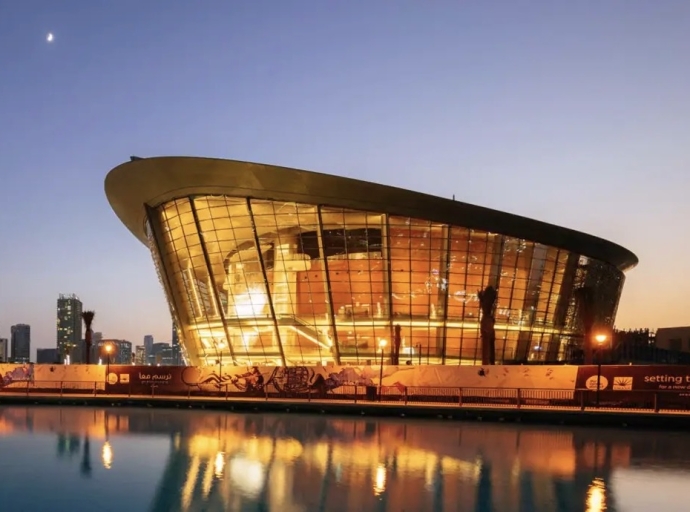
In Downtown Dubai, just steps from the Burj Khalifa, Dubai Opera stands as a landmark for the performing arts. Designed in the shape of a traditional dhow, the 2,000-seat venue - with VIP box tickets reaching AED 3,000 - has become a regional hub for opera, ballet, classical music, and theatre.
Since its opening in 2016, Dubai Opera has welcomed performances that span the global canon, including Verdi’s La Traviata and exclusive piano recitals by internationally acclaimed artists. According to the venue’s official site, major galas and concerts regularly sell out, drawing an audience that values both the craft of performance and the setting’s acoustical and architectural quality.
The venue’s programming reflects its goal of making world-class productions accessible to a growing audience of music and arts lovers in the UAE. From seasonal festivals to one-night-only events, the opera house continues to strengthen Dubai’s place on the international cultural map.
In a city often known for its ambition, Dubai Opera adds a distinctive voice - one dedicated to artistic excellence and creative diversity.
In Dubai, where the skyline gleams with ambition, the Museum of the Future stands as a testament to the emirate’s relentless pursuit of innovation. Since its opening on February 22, 2022, this torus-shaped architectural marvel, adorned with Arabic calligraphy by Emirati artist Matar Bin Lahej, has captivated global audiences with its vision of a world 50 years hence. In 2025, the museum unveils a suite of new exhibits that seamlessly blend cutting-edge augmented reality (AR) with the UAE’s rich cultural heritage, reinforcing Dubai’s role as a global hub for forward-thinking ideas. These exhibits, curated under the Dubai Future Foundation, have drawn over 1 million visitors since the museum’s inception, with 2025 projections anticipating a 20% increase, fueled by immersive experiences that invite exploration of both tradition and tomorrow. Yet, as the museum dazzles with its futuristic flair, some visitors question the depth of its offerings, prompting curators to refine their approach to balance spectacle with substance.
Designed by Killa Design and engineered by Buro Happold, the Museum of the Future is more than a building; it’s a “living laboratory” that spans seven floors, each dedicated to themes like space exploration, sustainability, and human augmentation. The 2025 exhibits elevate this mission, introducing AR-driven installations that weave UAE’s pearl-diving heritage and Bedouin traditions with speculative visions of 2071. One standout, “Heritage Reimagined,” uses AR to recreate historical UAE trade routes, allowing visitors to “walk” through virtual souks and interact with holographic artisans crafting traditional dhows. Another, “Desert Futures,” merges AI and AR to simulate sustainable desert ecosystems, showcasing innovations like smart irrigation systems inspired by the UAE’s 2050 net-zero goals. These exhibits, launched in February 2025, align with the museum’s ethos of “seeing the future, creating the future,” as articulated by Sheikh Mohammed bin Rashid Al Maktoum, whose poetic quotes grace the museum’s stainless-steel facade.
Dubai’s tourism boom—18.7 million visitors in 2024, with 5.31 million in Q1 2025—underscores the museum’s draw, bolstered by its location along Sheikh Zayed Road, accessible via Emirates Towers Metro. The museum’s ability to merge UAE heritage with AR-driven visions of 2071—backed by events like the Dubai FinTech Summit and partnerships with global innovators—positions it as a leader in redefining cultural institutions. As Dubai aims to double its economy under the D33 Agenda, the Museum of the Future’s 2025 exhibits offer a compelling glimpse into a world where tradition and technology converge, inviting visitors to not just witness but shape what lies ahead.
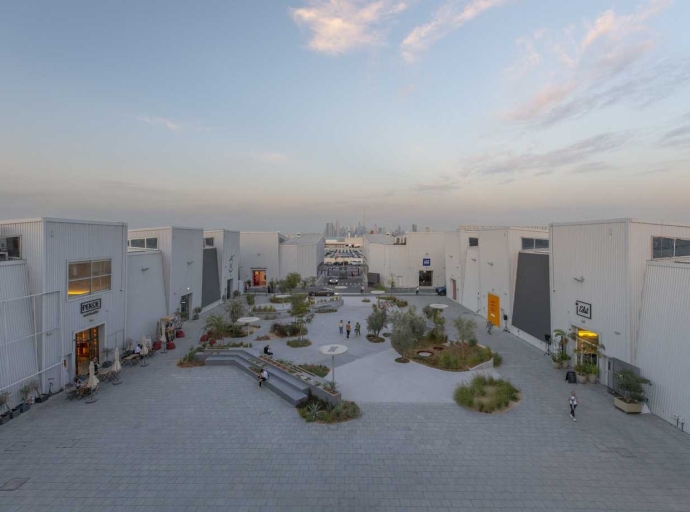
In the heart of Dubai’s Al Quoz industrial district, where warehouses once stood in quiet utility, Alserkal Avenue has emerged as a vibrant cultural beacon, redefining the city’s identity on the global stage. The 2025 Art Dubai fair, hosted at this dynamic hub, showcased over 400 artists from 40 countries, drawing an impressive 30,000 visitors. With a particular emphasis on emerging talents from the Middle East, including powerful works by Palestinian and Lebanese artists, the fair underscored Dubai’s growing role as a cultural crossroads—a place where diverse voices converge to shape contemporary discourse.
Art Dubai 2025, held from April 18 to 20 at Madinat Jumeirah, was more than an art fair; it was a testament to the city’s ambition to transcend its reputation as a commercial hub and claim a central place in the global cultural narrative. The event’s focus on artists from the Middle East, North Africa, and the Global South highlighted Dubai’s commitment to amplifying underrepresented perspectives. Palestinian and Lebanese works, in particular, brought poignant reflections on identity and resilience, resonating deeply with attendees and reinforcing the fair’s role as a platform for dialogue.
Meanwhile, Dubai’s Museum of the Future, a futuristic architectural marvel, unveiled a groundbreaking 2025 exhibition on AI-driven art, earning international acclaim for its innovative exploration of technology’s intersection with creativity. The exhibit showcased how artificial intelligence can push artistic boundaries, offering immersive experiences that captivated global audiences. This bold venture aligns with Dubai’s broader vision to position itself as a leader in both cultural and technological innovation.
Yet, for all its global reach, Dubai’s cultural scene faces challenges closer to home. Accessibility remains a hurdle for many locals, with high ticket prices and a focus on international audiences sometimes leaving Emirati residents feeling disconnected from the city’s burgeoning art world. While initiatives like the A.R.M. Holding Children’s Programme at Art Dubai aim to engage younger audiences, broader efforts are needed to ensure that the cultural renaissance is inclusive of the local community.
Dubai’s cultural ascent is undeniable. From Alserkal Avenue’s gritty charm to the Museum of the Future’s cutting-edge exhibitions, the city is carving out a space where art, technology, and global perspectives intersect.
In Dubai, where gleaming skyscrapers and manicured boulevards often define the urban landscape, a new exhibition at the Ishara Art Foundation dares to embrace the raw, unpolished pulse of the street. No Trespassing, the foundation’s inaugural summer exhibition, running from July 4 to August 30, 2025, transforms the pristine white cube of the gallery into a dynamic canvas that channels the chaotic, vibrant, and ever-evolving aesthetics of city streets. Curated by Priyanka Mehra, this bold showcase features six UAE-based and South Asian artists—Fatspatrol (Fathima Mohiuddin), H11235 (Kiran Maharjan), Khaled Esguerra, Rami Farook, Salma Dib, and Sara Alahbabi—who engage with the street not merely as a backdrop but as a living medium and subject.
The exhibition resists the temptation to pin down the street’s essence, acknowledging its refusal to be neatly defined. Streets are more than physical spaces; they are tapestries of human experience, woven from the interplay of order and chaos, grit and beauty, spontaneity and structure. The artists capture this fluidity through works that incorporate the ephemera of urban life—signposts, pavements, building materials, street art, and human traces. These elements, often overlooked, become inscriptions of a city’s movement, its constant cycle of deconstruction and reinvention. As Mehra, the Exhibitions Manager and Programmes Curator at Ishara, notes, the street is both shaped by and shapes those who traverse it, a reciprocal dialogue that No Trespassing brings to the fore.
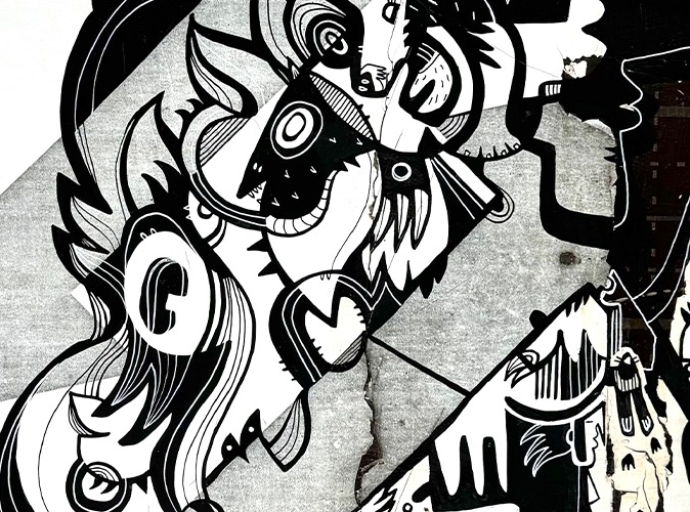
What sets this exhibition apart is its exploration of art’s relationship with the street through on-site interventions. The participating artists “tag” the gallery’s walls and floors, much like street artists mark urban surfaces, challenging the notion that institutionalized art holds greater cultural weight. This act of claiming space within the formal confines of the Ishara Art Foundation blurs the line between the street and the gallery, inviting viewers to reconsider the hierarchies that govern artistic expression. Works like Fatspatrol’s The World Out There (2025) exemplify this approach, transforming the gallery into a site of urban dialogue.
Mehra, whose curatorial vision is informed by her extensive background in design and urban art, brings a unique perspective to No Trespassing. Having worked on public art commissions at Yas Bay in Abu Dhabi, urban regeneration programs in India, and public art masterplans in Saudi Arabia, she has a deep understanding of how art can activate and redefine public spaces. Her experience as project director for the globally renowned site-specific artist Daku and her involvement in large-scale urban art festivals like St+art Delhi underscore her ability to bridge the raw energy of the street with the structured world of institutional art.
Supported generously by reframe, No Trespassing does more than display art; it invites audiences to engage in a conversation about the spaces we inhabit and the marks we leave behind. By bringing the street into the gallery, the exhibition challenges us to see the urban environment not as a mere setting but as a collaborator in the creative process. In doing so, it reimagines how we navigate and claim ownership of the world around us, one tag at a time.