
Dubai’s Retail Economy, From Souks to Super-Malls
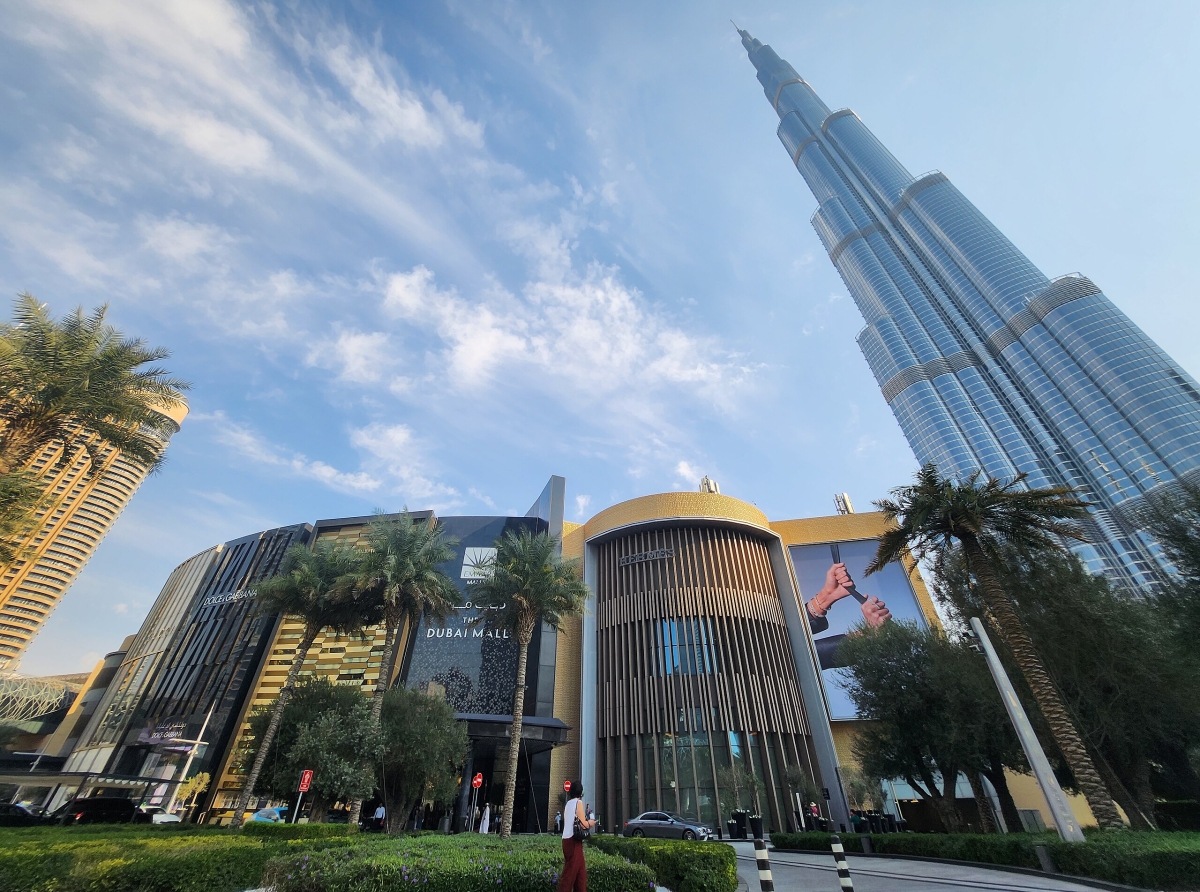
Dubai has built one of the world’s most concentrated and diversified retail landscapes, positioning shopping not as a side attraction but as a central pillar of its economy and global brand.
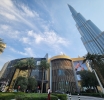
Retail contributes a significant share to Dubai’s non-oil GDP, supported by a combination of large-scale malls, traditional markets, and a steady flow of international visitors. The city is home to more than 60 shopping malls, including The Dubai Mall - one of the largest malls globally by total area - as well as Mall of the Emirates, which introduced indoor skiing to the retail experience in the Middle East. These complexes function as mixed-use destinations, combining shopping with dining, entertainment, and tourism infrastructure.
Dubai’s appeal as a shopping hub is reinforced by its role as a global trade and logistics center. Its ports, free zones, and air connectivity have enabled international brands to establish regional headquarters and flagship stores in the city. Luxury labels, mass-market retailers, and emerging designers operate side by side, reflecting Dubai’s position at the intersection of Europe, Asia, and Africa.
Alongside modern retail, traditional souks remain active parts of the commercial fabric. The Gold Souk, Textile Souk, and Spice Souk in historic areas such as Deira continue to serve residents and visitors, offering goods that reflect long-standing trading practices. These markets coexist with newer developments, underscoring Dubai’s approach of layering growth onto existing commercial traditions rather than replacing them entirely.
Seasonal retail events have further shaped consumer culture. The Dubai Shopping Festival, launched in 1996, remains one of the city’s most prominent annual events, drawing international visitors with promotions across retail, hospitality, and entertainment sectors. Such initiatives align with broader tourism strategies aimed at sustaining year-round visitor traffic.
Dubai’s retail sector has also adapted quickly to changing consumer behavior. E-commerce adoption has accelerated, while physical stores increasingly emphasize experience, convenience, and integration with digital platforms. Government-led initiatives supporting smart services and cashless payments have reinforced this shift.
Taken together, Dubai’s shopping ecosystem reflects the city’s broader economic strategy: diversification, scale, and connectivity. Retail in Dubai is not simply about consumption, but about positioning the city as a global marketplace - one that continues to evolve with consumer trends while remaining rooted in its trading history.
Photo credits: Wikipedia. Dubai Mall
Oksana Bozhko is a Contributor to Dubai Voice.

Oksana Bozhko

Vladyslava Garkusha
Disclosure: Dubai Voice enhances the editing process with the help of carefully selected AI tools. These tools provide valuable support without taking over the editing process completely, ensuring that the final product is the result of human creativity and expertise augmented by the benefits of enhanced technology. This article is protected under the copyright of Dubai Voice. Unauthorized reprinting, republishing, or rewriting of this content is strictly prohibited without explicit permission from Dubai Voice. Quotations from this material are permissible provided that a direct link to the full article on Dubai Voice is included.