
23.1°C

News

All Stories

Gut Instinct: Rediscovering the Foundations of Health at Mayrlife

After a restorative sojourn at a Swiss wellness clinic, my pursuit of equilibrium - physical, mental, metabolic - drew me next to Mayrlife, a medical spa poised like a secret on the glassy banks of Lake Altaussee, deep in the Austrian Alps. More than a retreat, Mayrlife was whispered about as a sanctuary for those seeking not just renewal, but recalibration: a medically supervised immersion into the art and science of well-being, particularly for those - like me - wrestling with the early edges of pre-diabetes.

The clinic’s legacy begins with Dr. Franz Xaver Mayr, an early 20th-century Austrian physician who argued, long before “gut health” became a hashtag, that all vitality begins in the digestive tract. To Mayr, a troubled gut was not a local problem - it was the root of systemic dysfunction. His cure was deceptively simple: rest, cleanse, and retrain the digestive system. A century later, that principle still anchors the Mayrlife method, though the tools have evolved dramatically.

Today, Mayrlife’s version of the Mayr Cure merges tradition with twenty-first-century precision. Before the first herbal tea is poured, guests undergo an array of diagnostics - food intolerance testing, full blood panels, and body composition scans - forming the blueprint for an exquisitely personalized program. Days unfold in rhythm: cryotherapy, therapeutic massages, and medically guided nutrition plans, all supervised by clinicians whose manner is both meticulous and reassuringly kind.

But the true revelation, at least for me, wasn’t the lab work or the treatments - it was the act of eating itself. Mayrlife treats every meal as a meditation. Chewing - thorough, mindful, and slow - is nonnegotiable. In an age that prizes efficiency over awareness, this simple directive feels almost radical. Each bite becomes a conscious moment, a recalibration of attention that reminds you food is not fuel alone, but communication between body and brain.

There’s also the choreography of the meal: vegetables first, then proteins, then carbohydrates. This isn’t aesthetic preference but metabolic strategy, designed to stabilize blood sugar and reduce post-meal spikes - critical for anyone managing insulin sensitivity. Every sequence, every portion, is rooted in clinical evidence yet executed with the elegance of ritual.

And then there’s the atmosphere itself: no phones, no noise, no rush. Meals are taken against the backdrop of Alpine stillness, where mist hangs low over Lake Altaussee and time, briefly, loosens its grip. Presence becomes its own medicine.

Perhaps most compelling is the clinic’s embrace of the gut as a “second brain.” Housing up to 70 percent of the immune system and deeply entangled with the nervous system, the gut-brain axis is now a serious subject of scientific research - a link between digestion, mood, and cognition that Dr. Mayr seemed to intuit a century ahead of his time.

By the end of my stay, what had begun as a wellness experiment felt more like a quiet awakening. The lesson was elemental yet profound: health begins not with supplements or superfoods, but with the simple, intelligent act of eating well - and paying attention while doing it.

In a world enthralled by quick fixes and glittering diet trends, Mayrlife’s message is refreshingly unglamorous: true wellness is not invention, but return. Return to balance, to awareness, to the rhythm of a body that already knows what it needs - if only we’d listen.

And perhaps that’s the real question the Mayrlife philosophy poses: if the gut holds the key to our vitality, why is this wisdom still treated as luxury, rather than common knowledge?

Photo credits: Mayrlife

Image
Luiz Costa Macambira

Luiz F. Costa Macambira is the former Publisher of Forbes Monaco and Forbes Netherlands.

Gut Instinct: Rediscovering the Foundations of Health at Mayrlife

Dubai to Host 46th Edition of Big 5 Global, the MEASA Region’s Premier Construction Event

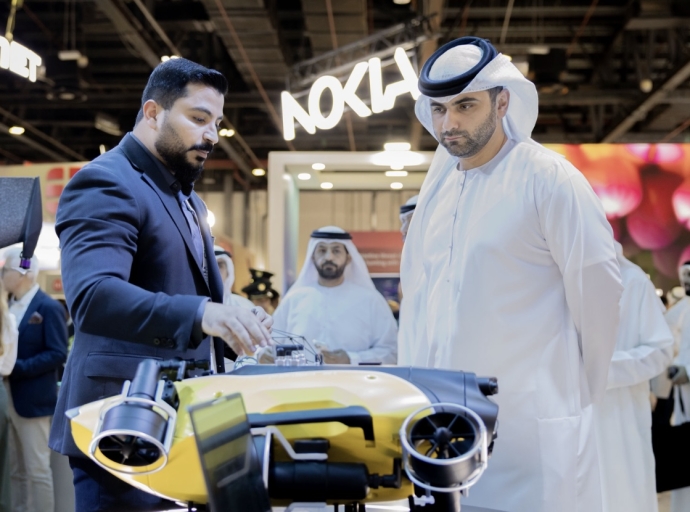
Dubai will host the 46th edition of Big 5 Global, the Middle East, Africa, and South Asia’s (MEASA) largest construction and urban development event, from November 24 to 27 at the Dubai World Trade Centre. Backed by the UAE Ministry of Energy and Infrastructure, Dubai Civil Defence, Dubai Municipality, and the Department of Municipalities and Transport - Abu Dhabi, the exhibition is expected to draw over 85,000 construction professionals and feature more than 2,800 exhibitors.

Big 5 Global comes at a time of unprecedented growth across the region, with the Middle East and Africa accounting for approximately $7 trillion in pre-construction projects. This surge is driven by ambitious national development agendas, including Saudi Arabia’s Vision 2030 and the UAE’s "We the UAE 2031", which prioritize large-scale infrastructure, housing, and urban transformation.

The 2025 edition will introduce nine sector-specific events addressing evolving priorities in sustainability, digital construction, and smart city development. Exhibitors from over 20 country pavilions, including Germany, Italy, China, Türkiye, Saudi Arabia, and the United Kingdom, will showcase innovations across the construction value chain.

Big 5 Global remains a key platform for accessing active projects and engaging with key decision-makers in one of the world’s fastest-growing construction markets.

Photo credits: Government of Dubai Media Office

Image
Oksana Bozhko

Oksana Bozhko is a Contributor to Dubai Voice.
Dubai to Host 46th Edition of Big 5 Global, the MEASA Region’s Premier Construction Event

Sheikh Hamdan Bin Mohammed Visits Katara Hunting and Falcons Exhibition in Doha

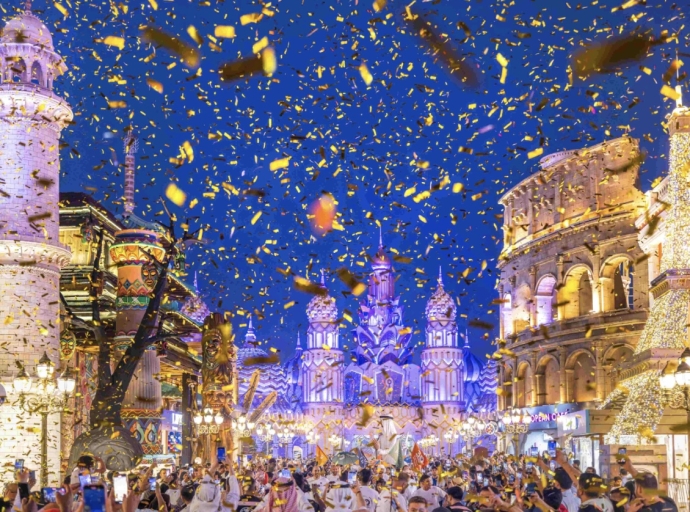
Sheikh Hamdan bin Mohammed bin Rashid Al Maktoum, Crown Prince of Dubai and Deputy Prime Minister and Minister of Defence of the United Arab Emirates, visited the ninth edition of the Katara International Hunting and Falcons Exhibition (S’hail 2025) in Qatar.

The visit, which took place during an official trip to Doha, was conducted alongside Sheikh Joaan bin Hamad Al-Thani, President of the Qatar Olympic Committee. S’hail, a prominent event on the regional calendar, gathers international and Qatari companies specializing in hunting, falconry, and outdoor equipment.

During the tour, Sheikh Hamdan was briefed on the latest technological advancements and artisanal products in the sector, as well as the exhibition’s cultural programming. The event showcases traditional practices deeply rooted in Gulf heritage, particularly those related to falconry - a symbol of pride and identity across the Arabian Peninsula.

The Crown Prince also visited the Bird Market, where premier falcons bred by local farms were displayed, and toured the pavilion of the Souq Waqif Falcon Hospital, one of the region’s foremost veterinary institutions dedicated to the care of birds of prey.

Sheikh Hamdan commended the exhibition for its role in preserving cultural traditions while also serving as a platform for economic growth and investment in the heritage industries.

Photo credits: Government of Dubai Media Office

Image
Oksana Bozhko

Oksana Bozhko is a Contributor to Dubai Voice.
Sheikh Hamdan Bin Mohammed Visits Katara Hunting and Falcons Exhibition in Doha

DP World Tour Unveils Ambitious 2026 Global Schedule and Structural Reforms


The DP World Tour has announced its 2026 global schedule, featuring 42 tournaments across 25 countries and a record prize fund of $157.5 million, excluding the Major Championships. Marking a continued push into new markets and reinforcing its stature as golf’s premier international circuit, the Tour’s revamped structure underscores both its global ambition and commitment to competitive integrity.

The 2026 season will follow the now-familiar three-phase structure: five “Global Swings,” the “Back 9,” and the climactic “DP World Tour Play-Offs” in November. Among the key highlights is the introduction of the Estrella Damm Catalunya Championship, which will open the European Swing from May 7–10 at Real Club de Golf El Prat in Barcelona. This marks El Prat’s first DP World Tour event since 2015 and comes as Spain prepares to host the 2031 Ryder Cup at Camiral - becoming the first continental European country to do so twice.

Another significant addition is a new venue for the Amgen Irish Open, which moves to Trump International Golf Links Ireland in Doonbeg for the first time. Scheduled for September 10–13, the tournament remains a key fixture in the “Back 9” portion of the calendar.

The season will also feature increased alignment with the PGA TOUR, including the addition of the Corales Puntacana Championship in the Dominican Republic to the Race to Dubai from July 16–19. The Genesis Scottish Open (July 9–12), again co-sanctioned with the PGA TOUR, remains a cornerstone of the calendar as one of five Rolex Series events.

The Rolex Series will also include the Hero Dubai Desert Classic (January 22–25), the BMW PGA Championship (September 17–20), and the two Play-Off events: the Abu Dhabi Championship (November 5–8) and the DP World Tour Championship (November 12–15), where the 2026 Race to Dubai champion will be crowned. Dubai will host three events in total, including the returning Dubai Invitational from January 15–18.

In tandem with the schedule release, the DP World Tour announced key changes to its membership and qualification structure, aimed at creating more equitable access and greater predictability for players. Notably, the cut-off to retain a full Tour card will be tightened from the top 110 to the top 100 in the Race to Dubai Rankings. Meanwhile, the number of Qualifying School cards will be reduced from the top 20 and ties to the top 15 and ties.

Further refinements include changes to categories for players ranked just outside the top 100, re-ranking mechanisms for conditional status, and reduced card availability via the HotelPlanner Tour and the Road to Mallorca Rankings. The pathways for international talent remain open, with leading players from six global tours retaining eligibility for DP World Tour access.

Chief Executive Guy Kinnings described the 2026 framework as a “compelling season-long narrative,” emphasizing the Tour’s commitment to showcasing elite talent across diverse international venues. “Our thanks go to our partners, broadcasters, promoters, federations, and partner Tours for their support,” Kinnings said. “Together, we continue to spotlight the considerable depth of international talent on golf’s global Tour.”

With new venues, increased prize money, and a restructured pathway for professional advancement, the 2026 DP World Tour reaffirms its role as a central force in the global golfing calendar.

Photo credits: Government of Dubai Media Office

Image
Oksana Bozhko

Oksana Bozhko is a Contributor to Dubai Voice.
DP World Tour Unveils Ambitious 2026 Global Schedule and Structural Reforms

RTA Completes Critical Expansion on Sheikh Zayed Road to Alleviate Congestion Near Umm Al Sheif Exit

Dubai’s Roads and Transport Authority (RTA) has finalized a significant infrastructure upgrade on Sheikh Zayed Road, widening a 700-meter stretch near the Umm Al Sheif Street exit. This project expands the highway from six to seven lanes, increasing its vehicle capacity by approximately 16 percent, allowing up to 14,000 vehicles per hour to traverse this crucial corridor.

Sheikh Zayed Road, a key arterial highway in Dubai, connects numerous residential areas and vital commercial hubs, including landmarks such as the Dubai International Financial Centre, Burj Khalifa, and Dubai Mall. As one of the city’s busiest thoroughfares, it supports a dense mix of economic and social activity, serving global corporations, financial institutions, hotels, and leisure destinations.

The recent expansion targets persistent congestion near the Umm Al Sheif junction, particularly during evening peak hours. By removing overlap points and increasing lane capacity, the RTA aims to improve traffic flow, reduce travel times, and enhance road safety by decreasing traffic density. This enhancement is part of the RTA’s broader commitment to optimize Dubai’s road network and ensure more efficient, reliable journeys for commuters across the city.

Photo credits: Government of Dubai Media Office

Image
Oksana Bozhko

Oksana Bozhko is a Contributor to Dubai Voice.
RTA Completes Critical Expansion on Sheikh Zayed Road to Alleviate Congestion Near Umm Al Sheif Exit

Flydubai and TAROM Forge New Partnership to Expand Travel Links Between UAE and Romania

Flydubai, the Dubai-based low-cost carrier, has entered into a strategic interline agreement with TAROM, Romania’s national airline, to provide passengers seamless connections to 15 destinations through Bucharest Henri Coandă International Airport. The partnership aims to enhance travel options across TAROM’s network, which includes key European cities such as Athens, Amsterdam, Brussels, Frankfurt, Madrid, and Paris.

Under the agreement, travelers booking with flydubai will benefit from coordinated itineraries, single-ticket bookings, and through-checked baggage to final destinations on TAROM’s domestic and international routes. The collaboration reflects flydubai’s ongoing efforts to strengthen connectivity between the UAE, Romania, and broader Eastern and Central Europe.

Ramesh Anantharaman, Divisional Senior Vice President of Revenue Management and Business Effectiveness at flydubai, emphasized the importance of the partnership in boosting trade, tourism, and cultural exchange between the regions. “This agreement offers our customers simplified travel and expanded access across TAROM’s regional network,” he said.

Flydubai has operated flights between Dubai International Airport and Bucharest since 2012, responding to growing demand. The airline currently offers double daily flights on the route and plans to launch service to Iași, Romania’s second destination, starting September 19, 2025.

Costin Iordache, General Manager of TAROM, described the partnership as a strategic move to improve connectivity and facilitate travel between key cities. “Together, we provide passengers with safe, reliable, and convenient options that support tourism and business,” he said.

Flydubai currently serves over 135 destinations in 57 countries with a fleet of 93 Boeing 737 aircraft. The carrier has prioritized opening direct air links to previously underserved markets, reinforcing Dubai’s role as a global aviation hub.

Passengers traveling in flydubai’s Business Class enjoy lie-flat seats and premium services, while Economy Class offers comfortable seating with adjustable headrests and entertainment options, underscoring the airline’s commitment to an enhanced travel experience.

Photo credits: Government of Dubai Media Office

Image
Oksana Bozhko

Oksana Bozhko is a Contributor to Dubai Voice.

 

Flydubai and TAROM Forge New Partnership to Expand Travel Links Between UAE and Romania

Dubai Municipality Unveils First Sand Equestrian Track in Hatta, Advancing Regional Development and Tourism

Dubai Municipality has officially inaugurated the first sand equestrian track in the mountainous enclave of Hatta, marking a significant milestone in the region’s ongoing development as a premier tourism and leisure destination. The initial phase of the track spans 2.54 kilometres in length and three metres in width, designed to offer equestrian enthusiasts a safe and immersive riding experience amid Hatta’s distinctive natural landscape.

The project is part of a broader strategic initiative led by the Supreme Committee to Oversee the Development of Hatta, aligning with a comprehensive regional development plan aimed at enhancing the economic and recreational infrastructure of the area. The new equestrian facility exemplifies Dubai’s commitment to expanding its tourism offerings while supporting local economic growth and the aspirations of Hatta’s residents.

According to Bader Anwahi, CEO of the Public Facilities Agency at Dubai Municipality, the track has been constructed to meet international safety and quality standards. “The sand equestrian track in Hatta has been developed to international standards, providing horse riders with a safe and distinctive way to experience the region’s unique mountainous landscape,” Mr. Anwahi said. He emphasized that the project is intended not only to promote equestrian sports but also to preserve the cultural heritage of horsemanship, an integral aspect of Emirati identity.

The track is expected to contribute to a diversification of leisure activities in Hatta, fostering new economic opportunities particularly for small and medium-sized enterprises engaged in equestrian services, retail, hospitality, and tourism sectors. By attracting both local and international visitors seeking authentic adventure experiences, the initiative aims to bolster the local economy and reinforce Hatta’s status as a scenic and promising destination within the United Arab Emirates.

Visitors to the track can either bring their own horses or rent horses locally, enabling riders of varying skill levels - from amateurs to professionals - to enjoy the trail while taking in panoramic views of the surrounding mountains. This new infrastructure complements Dubai Municipality’s broader goals of enhancing quality of life and positioning Dubai as a leading global city for residents and tourists alike.

The sand equestrian track in Hatta marks a tangible step forward in the emirate’s vision for integrated regional development, blending heritage preservation with economic diversification and sustainable tourism growth.

Photo credits: Government of Dubai Media Office

Image
Alexander Agafiev

Alexander Agafiev is former tech contributing writer for Forbes Monaco.

Dubai Municipality Unveils First Sand Equestrian Track in Hatta, Advancing Regional Development and Tourism

Emirates to Introduce Airbus A350 on Hangzhou Route Starting October 2025

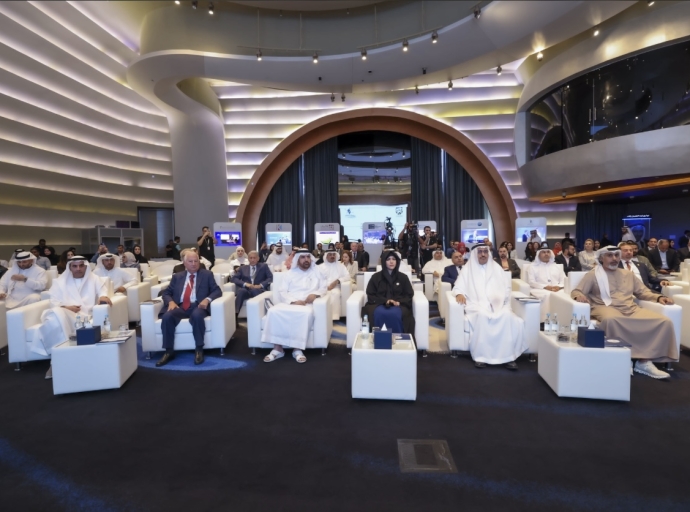
Emirates, the world’s largest international airline by scheduled passenger traffic, will begin operating its Airbus A350 on daily flights between Dubai and Hangzhou, China, starting October 26, 2025. The move comes just three months after the airline launched its inaugural service to the eastern Chinese city, underscoring its ongoing investment in the region.

Flight EK310 will depart Dubai International Airport at 04:15 and arrive in Hangzhou at 16:00 local time. The return leg, EK311, departs Hangzhou at 00:10 and arrives in Dubai at 06:10.

This marks the first deployment of the A350 on the route and introduces Emirates’ Premium Economy product to the Hangzhou market for the first time. Configured in a three-class layout, the A350 offers 312 seats: 32 in Business Class, 21 in Premium Economy, and 259 in Economy.

The A350 is the first new aircraft type to join the Emirates fleet in over 15 years, complementing its long-haul Boeing 777s and double-decker Airbus A380s, both of which currently serve destinations across mainland China. The aircraft features Emirates’ latest cabin interiors, including higher ceilings, wider aisles, and updated inflight entertainment systems designed to enhance passenger comfort and connectivity.

Premium Economy on the A350 offers wider, reclining leather seats with leg and footrests, in-seat power, a cocktail table, and 13.3-inch entertainment screens. Select flights will also feature amenity kits and a curated onboard menu, including Chandon Vintage Brut 2017.

“Introducing the A350 to Hangzhou is the natural next step as we expand our footprint in China with our newest aircraft and latest onboard experience,” said Adnan Kazim, Emirates’ Deputy President and Chief Commercial Officer.

The deployment is part of Emirates’ broader strategy to strengthen ties with China and cater to rising demand for international travel to and from the region.

Photo credits: Government of Dubai Media Office

Image
Oksana Bozhko

Oksana Bozhko is a Contributor to Dubai Voice.
Emirates to Introduce Airbus A350 on Hangzhou Route Starting October 2025

City of Transience and Cultural Complexity

Dubai presents a demographic profile unlike any other major city in the world. Approximately 92 percent of its population are expatriates, with Emirati nationals making up only about 8 percent. This reality defines the city’s social structure, economy, and global identity.

The largest expatriate communities originate from South Asia. Indians account for around 38 percent of Dubai’s population, followed by Pakistanis (17 percent), Bangladeshis (7 percent), and Filipinos (7 percent). These are joined by sizeable populations of Iranians, Egyptians, Syrians, and Western nationals from Europe and North America.

But these numbers are not just demographics - they are woven into the texture of everyday life. Dubai’s multicultural character is visible in its neighborhoods, where languages, cuisines, and cultures coexist across districts like Deira, Al Karama, and Al Barsha. Schools cater to dozens of national curricula. Workplaces bring together talent from every continent. Daily life is marked by extraordinary linguistic and cultural diversity.

This diversity has been central to Dubai’s economic success. The city’s private sector is powered almost entirely by foreign labor, from construction and logistics to finance and technology. More than 200 nationalities live and work in Dubai, and the city receives over 17 million international visitors annually, reinforcing its role as a global tourism and business hub.

Yet, Dubai’s demographic makeup also reflects its transience. Most residents live in the city on temporary work visas. Citizenship remains rare and highly restricted. Integration is limited not by social barriers, but by the structural nature of residency laws that tie presence in the city to employment or investment. In this way, Dubai operates less as a melting pot and more as a global crossroads - a place of opportunity, but not always of permanence.

Still, the result is a city that functions as a cultural and economic mosaic. Dubai’s strength lies in its ability to bring together people from vastly different backgrounds and, for a time, make them part of something shared. Its identity is not bound to any one nationality, but forged in its complexity.

Dubai is a city of transience - but one whose cultural complexity is enduring.

Photo credits: Dubai Instagram. Dubai Run

Image
Oksana Bozhko

Oksana Bozhko is a Contributor to Dubai Voice.
City of Transience and Cultural Complexity

From Desert Trading Post to Global Diversification Pioneer

Dubai’s metamorphosis from a modest 20th-century trading port into a modern metropolis is not a tale of petrochemical luck, but of economic vision, aggressive policy reform, and deliberate diversification. While much of the Gulf’s narrative is shaped by the oil boom, Dubai took a different path - one that now positions it as a model for post-oil economic strategy in the region.

In stark contrast to popular assumption, oil contributes less than 1 percent to Dubai’s GDP today, according to official data from the Dubai Statistics Center and UAE government reports. In 2022, oil and gas accounted for just 0.7% of Dubai’s GDP, down from over 50% in the 1970s. Unlike Abu Dhabi, its wealthier neighbor, Dubai’s oil reserves were limited from the start, compelling leaders to think beyond hydrocarbons.

Instead, Dubai bet early - and big - on logistics, tourism, real estate, finance, and free-zone trade. As early as the 1980s and 1990s, the city began laying the infrastructure for an economy driven by services, not oil. The establishment of Jebel Ali Port in 1979 - now the largest port in the Middle East and among the top ten busiest in the world - was an inflection point. It became the gateway to Dubai’s rise as a regional logistics hub, enabling the growth of re-export trade and cementing the city’s geographic centrality between Europe, Asia, and Africa.

By the early 2000s, this pivot was evident in urban form: mega projects like Dubai Internet City, Dubai Media City, and Dubai International Financial Centre (DIFC) signaled a strategic push into tech, media, and finance. These zones allowed 100% foreign ownership, zero income taxes, and light regulation - creating an environment friendlier to global capital than much of the surrounding region.

The results are measurable. In 2023, non-oil trade in Dubai surged to over AED 2 trillion (~USD 545 billion), a historic high. Tourism now contributes nearly 12% of Dubai’s GDP, with the city consistently ranking among the top three most-visited cities globally, drawing more than 17 million international visitors annually (as of 2023). In real estate, Dubai saw record-breaking investment in 2023, with foreign property buyers accounting for 41% of transactions, largely from India, China and Europe.

Perhaps most emblematic of Dubai’s ambitions is the Burj Khalifa, the world’s tallest building - less a piece of architecture than a statement of intent. And yet, beneath the skyline lies a framework of policy that ensures Dubai’s global relevance is more than symbolic. The city has crafted an economic ecosystem that is highly responsive: from blockchain regulation to fintech sandboxes, and from digital nomad visas to 10-year Golden Visas for investors, the tools of modern economic diplomacy are constantly in play.

Even amidst global headwinds - COVID-19, geopolitical tensions, supply chain disruptions - Dubai has proven remarkably resilient. The emirate was one of the first to reopen after the pandemic, using its airline, Emirates, and strict but efficient health protocols to restore tourism and business traffic.

Critics may raise valid concerns about sustainability, housing inflation, and the precariousness of a largely expatriate workforce, but Dubai’s strategic agility is undeniable. With plans underway to build the world’s largest airport (Al Maktoum International) and expand its maritime and digital infrastructure, Dubai’s economic transformation is not yet complete - it is simply entering its next phase.

In short, Dubai’s story defies the stereotype of oil-fueled opulence. It is instead the story of a place that confronted its resource limitations and made them a strength, leveraging geography, policy, and ambition to emerge as a global diversification pioneer - and perhaps a model for other post-oil economies to study.

Photo credits: Dubai Instagram

Image
Alexander Agafiev

Alexander Agafiev is former tech contributing writer for Forbes Monaco.

From Desert Trading Post to Global Diversification Pioneer

The Gulf’s Quiet Recalibration

The transformation of the Gulf economies is neither sudden nor superficial. It is a deliberate, long-term disentanglement from decades of hydrocarbon dependency - charted not through proclamations but through ports, satellites, electric vehicles, and artificial intelligence labs.

What began as oil-funded ambition is now materializing in physical infrastructure and institutional reform. Dubai’s thriving free zones, Abu Dhabi’s clean energy and AI corridors, and Saudi Arabia’s $500 billion NEOM project are not vanity ventures. They are components of a broader, carefully engineered strategy to reposition the region’s economic identity.

Yet in much of the West, the narrative remains static: Gulf nations as petro-states, rich but rigid. This framing overlooks the scale of structural change now underway. The real shift is in sovereign wealth funds prioritizing ESG, in regional universities partnering with global research centers, and in early-stage commitments to green hydrogen and quantum computing.

This pivot is not merely about economic diversification. It is a bid for relevance - a transition from commodity capital to human and intellectual capital. 

Photo credits: Abu Dhabi Off Plan. Masdar City. Abu Dhabi

Image
Oksana Bozhko

Oksana Bozhko is a Contributor to Dubai Voice.
The Gulf’s Quiet Recalibration
HELP
PARTNERSHIPS
Image