Once a quiet stretch of desert coast, Dubai’s shoreline now curves around some of the most ambitious artificial landforms ever constructed: the iconic Palm Jumeirah and the surreal archipelago of The World Islands. These man-made marvels have not onl...
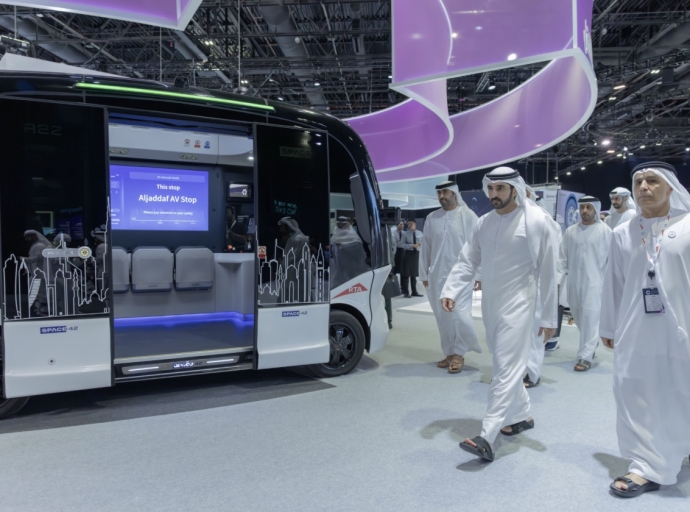
His Highness Sheikh Hamdan bin Mohammed bin Rashid Al Maktoum, Crown Prince of Dubai and Chairman of The Executive Council, inaugurated the Dubai World Self-Driving Transport Exhibition this week, affirming the city’s ambition to become a global leader in autonomous mobility and emerging technologies.
Held under the auspices of the Roads and Transport Authority (RTA), the exhibition drew more than 3,000 participants, including over 80 speakers, senior officials, and experts in robotics, artificial intelligence, and sustainable transport systems.
Sheikh Hamdan was joined by Sheikh Ahmed bin Mohammed bin Rashid Al Maktoum, Second Deputy Ruler of Dubai. During the opening, the Crown Prince emphasized Dubai’s commitment to innovation and future-readiness, citing the leadership vision of Sheikh Mohammed bin Rashid Al Maktoum, Vice President and Prime Minister of the UAE and Ruler of Dubai.
As part of the event, the RTA introduced a unified visual identity for all autonomous vehicles operating under the “Dubai Future Ride” brand. The identity will be applied to fleets as the city advances its autonomous transport agenda.
Pilot operations have commenced in the Jumeirah and Umm Suqeim areas, where Baidu Apollo Go, WeRide, and Pony.ai have deployed over 60 self-driving vehicles. The commercial rollout of driverless taxi services is expected by 2026.
The exhibition features 55 global exhibitors showcasing technologies in autonomous vehicles, self-driving buses, AI systems, and smart mobility infrastructure. Highlights include the regional debut of TENSOR’s autonomous vehicle and the presentation of XPENG’s self-flying aircraft.
The event is part of the broader Dubai World Congress and Challenge for Self-Driving Transport, a platform aimed at accelerating global cooperation in autonomous mobility.
Dubai’s Self-Driving Transport Strategy 2025–2040 targets a significant shift in urban mobility, with goals to make 25% of trips autonomous by 2030 and 36% by 2040. The initiative is aligned with the Dubai Economic Agenda D33, which aims to double the size of the emirate’s economy over the next decade.
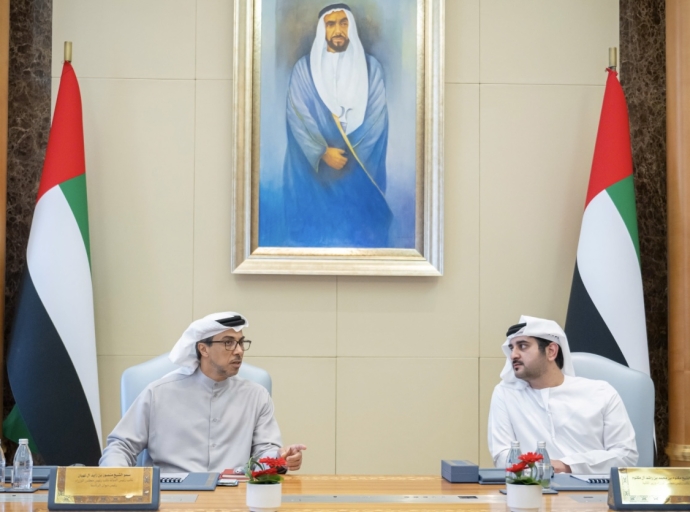
The General Budget Committee of the United Arab Emirates convened its 14th session to examine the federal draft budget for the 2026 fiscal year, continuing its oversight under the 2022–2026 budget framework.
The meeting was chaired by His Highness Sheikh Mansour bin Zayed Al Nahyan, Vice President, Deputy Prime Minister, and Chairman of the Presidential Court. Also in attendance were His Highness Sheikh Maktoum bin Mohammed bin Rashid Al Maktoum, First Deputy Ruler of Dubai, Deputy Prime Minister, and Minister of Finance; Mohamed bin Hadi Al Hussaini, Minister of State for Financial Affairs; Khaled Mohamed Balama Al Tameemi, Governor of the Central Bank of the UAE; and senior officials from the Presidential Court and the Ministry of Finance.
The committee reviewed updates made to the 2026 draft budget in accordance with directives issued during its previous meeting in July 2025. These updates were carried out through coordination between the Ministry of Finance and federal entities, in alignment with Federal Decree-Law No. (26) of 2019 on Public Finance and its amendments.
Discussions included a review of actual federal revenues collected through August 2025 and projections for 2026, based on revised tax legislation and input from relevant government bodies. The committee also assessed the financial position for the current fiscal year, examining data on expenditures and revenues to date, which reflect positive performance across multiple sectors.
Additional agenda items included financing requests for strategic projects and progress reports on capital and development initiatives completed thus far in fiscal year 2025. All deliberations adhered to existing financial policy frameworks.
The Ministry of Finance was commended for its coordination efforts and progress in updating the 2026 draft budget. The federal budget remains a central instrument in the UAE’s economic planning, aimed at ensuring financial efficiency and meeting national development goals.
The Cabinet previously approved the federal budget for 2025, with both revenues and expenditures projected at AED 71.5 billion, maintaining fiscal balance.
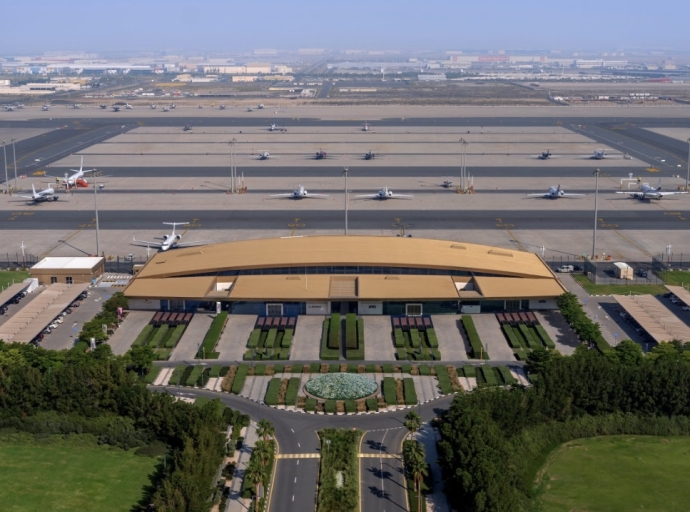
Business aviation activity at the Mohammed bin Rashid Aerospace Hub (MBRAH) in Dubai South rose by 15 percent in the first half of 2025, with 9,753 private jet movements recorded, up from the same period in 2024.
The increase reinforces Al Maktoum International Airport’s role as the region’s leading hub for international business aviation, according to data released by Dubai South.
Khalifa Al Zaffin, Executive Chairman of Dubai Aviation City Corporation and Dubai South, attributed the growth to Dubai’s strategy of positioning itself as a global destination for investors and high-net-worth individuals. He said MBRAH would continue to focus on infrastructure and service enhancements to meet future demand.
MBRAH, a free-zone development within Dubai South, hosts private jet operators, maintenance facilities, and aerospace training centers, serving a range of international aviation clients.
Photo credits: Government of Dubai Media Office
Alexander Agafiev
Alexander Agafiev is former tech contributing writer for Forbes Monaco.
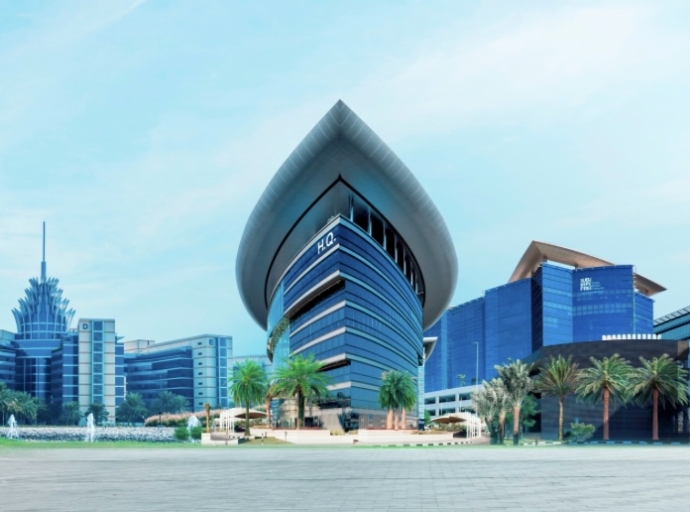
The Dubai Integrated Economic Zones Authority (DIEZ) recorded AED336 billion in trade during 2024, a 19 percent increase compared to the previous year, marking its highest-ever contribution to Dubai’s non-oil trade at 13.7 percent.
This marks the fourth consecutive year of growth for DIEZ, which oversees the Dubai Airport Free Zone, Dubai Silicon Oasis, and Dubai CommerCity. The total trade volume handled by the authority reached 444,300 tons in 2024, a 28 percent year-on-year increase.
According to DIEZ, machinery, electrical, and electronics accounted for 72 percent of the authority’s total trade, with a 17 percent increase in value. Trade in precious stones, metals, and jewelry grew by 33 percent, making up roughly 22 percent of total trade.
Crown Prince Sheikh Hamdan bin Mohammed bin Rashid Al Maktoum said the results align with Dubai’s strategic plan to expand its trade ecosystem and strengthen the emirate’s role as a global commercial hub. Sheikh Ahmed bin Saeed Al Maktoum, Chairman of DIEZ, described the performance as consistent with the goals of the Dubai Economic Agenda D33, which aims to double the size of the economy by 2033.
DIEZ officials credited the results to expanded global partnerships, increased goods movement, and continued investment in infrastructure and services across its economic zones.
DUBAI - dnata has entered into a three-year agreement with Dubai Basketball, becoming a Founding Partner of the city’s first professional basketball franchise. The deal marks dnata’s first major sports sponsorship and positions the company as a key supporter of one of the UAE’s most ambitious sporting initiatives.
Under the partnership, dnata will serve as the official travel partner for the team, facilitating logistics as Dubai Basketball competes in the EuroLeague and reenters the Adriatic Basketball Association (ABA) League. The company’s branding will appear on team jerseys, at the Coca-Cola Arena during home games, and across the club’s digital platforms.
Dubai Basketball, founded in 2023, made a strong debut last season, reaching the semifinals and securing third place in the ABA League. With confirmed participation in both the ABA League and EuroLeague, the team is set to host international clubs at the Coca-Cola Arena.
The collaboration gives dnata access to a growing fanbase. Nearly 80,000 spectators attended the team’s 18 home games last season. Over the course of the new agreement, the brand is expected to be visible during at least 31 home games per season.
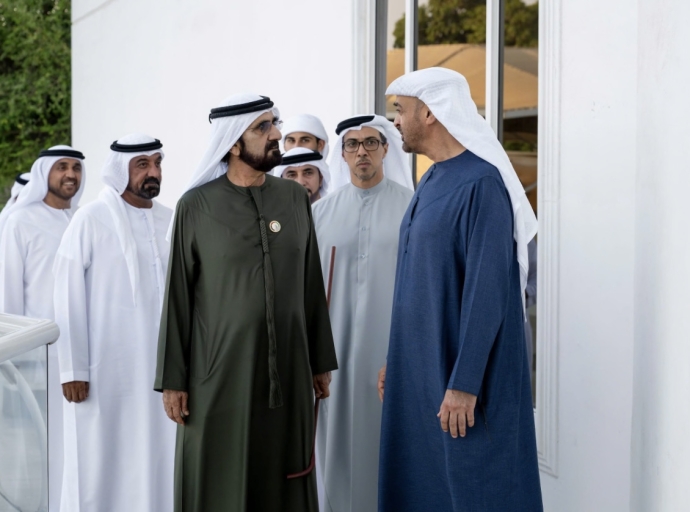
President Sheikh Mohamed bin Zayed Al Nahyan met on Monday with Sheikh Mohammed bin Rashid Al Maktoum, Vice President, Prime Minister, and Ruler of Dubai, to discuss national priorities, including education, healthcare, family wellbeing, and national identity.
The meeting took place at Qasr Al Bahr in Abu Dhabi, in the presence of Sheikh Mansour bin Zayed Al Nahyan, Vice President, Deputy Prime Minister, and Chairman of the Presidential Court.
The discussions centered on initiatives central to the country’s long-term development strategy. The leaders also received guests at the majlis, where they exchanged greetings and views.
The gathering was attended by senior members of the ruling family and government, including Sheikh Khaled bin Mohamed bin Zayed Al Nahyan, Crown Prince of Abu Dhabi; Sheikh Hamdan bin Zayed Al Nahyan, Ruler’s Representative in Al Dhafra; and several other federal and local officials.
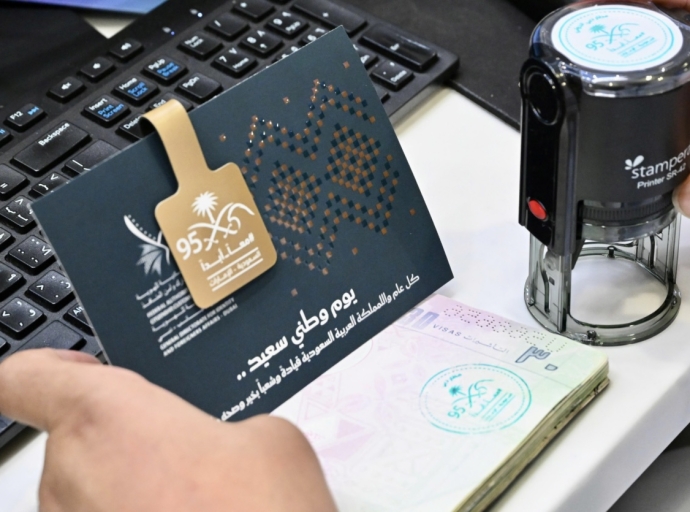
The General Directorate of Residency and Foreigners Affairs (GDRFA) in Dubai commemorated Saudi Arabia’s 95th National Day on September 23 with a series of coordinated activities at Dubai International Airport’s Terminal 1.
Arriving Saudi travelers were greeted with Emirati and Saudi flags, commemorative gifts, and a visible display of hospitality reflecting the close historical and diplomatic ties between the United Arab Emirates and the Kingdom of Saudi Arabia. Smart gates at the terminal were lit in green, and children received themed gifts from official mascots, Salem and Salama.
In a gesture of symbolic diplomacy, passports of Saudi visitors were stamped with a custom design bearing the official 95th National Day emblem and the phrase “UAE_Saudi, Together-Forever.”
The initiative forms part of GDRFA Dubai’s broader effort to foster cross-cultural ties and promote people-centered services, aligning with the Emirate’s strategic positioning as a hub of international cooperation and quality of life.
Dubai has once again secured its position as the top global destination for Greenfield foreign direct investment (FDI), attracting 643 projects in the first half of 2025. This marks the eighth consecutive half-year period in which the city has ranked No.1 globally, maintaining a lead of 478 projects over its closest competitor. The number of Greenfield projects represents the highest-ever recorded for any city globally in a six-month period since data tracking began in 2003, according to Financial Times Ltd's ‘fDi Markets’ database.
His Highness Sheikh Hamdan bin Mohammed bin Rashid Al Maktoum, Crown Prince of Dubai, underscored the significance of this achievement as a reflection of Dubai's robust development vision. “The strength and resilience of Dubai’s economy continues to inspire confidence among global investors in its ability to reimagine the future,” Sheikh Hamdan remarked. He also emphasized Dubai’s role in unlocking emerging sectors such as technology and sustainability, in line with the city’s long-term development agenda.
Dubai’s continued success in attracting FDI aligns with the goals of the Dubai Economic Agenda, D33, which aims to double the size of Dubai's economy by 2033. The emirate’s comprehensive infrastructure, progressive regulations, and digital-first services make it an attractive destination for investors, further cementing its position as a global economic hub.
Notably, Dubai has also improved its global ranking in other key FDI metrics. The city moved to second place globally for total FDI capital in H1 2025, up from fourth place the previous year. It also rose to third place for the number of jobs created through inward FDI, up from fourth in 2024. Across these metrics, Dubai retained its top position in the Middle East.
In addition to its overall FDI performance, Dubai has strengthened its status as a preferred base for multinational corporations. The city ranked first globally for headquarters FDI projects, which saw a 60% increase from 20 projects in H1 2024 to 32 in H1 2025. Dubai’s leading position was also reinforced by its dominance in sectors such as information and communication technology (ICT), life sciences, financial services, and artificial intelligence (AI).
Dubai’s market share for Greenfield FDI stands at 8%, with the city accounting for 56% of all Greenfield FDI projects in the Middle East. The strategic geographic location, coupled with Dubai’s diverse business ecosystem, makes it a key player in global investment flows.
The first half of 2025 also saw a notable 62% increase in FDI capital, reaching AED 40.4 billion (USD 11 billion), compared to AED 24.7 billion (USD 6.8 billion) in the same period in 2024. Job creation from these investments surged by 46.7%, rising from 26,202 jobs in H1 2024 to 38,433 in H1 2025.
The diversity of FDI projects is further proof of Dubai’s appeal to a wide range of industries. The city saw strong performance in sectors such as business services, construction, retail, logistics, and manufacturing. Moreover, emerging industries such as FinTech and AI are drawing significant interest, reflecting Dubai's adaptability to global economic shifts.
Source markets for FDI into Dubai are diverse, with the United States leading, contributing 35% of total FDI capital. Other key investors include the United Kingdom, France, India, and Saudi Arabia. These regions continue to view Dubai as a stable and promising investment destination with strategic access to global markets.
Dubai’s sustained leadership in FDI underscores its dynamic business environment, and its future-focused economic strategy continues to attract global investors seeking growth and stability in a rapidly changing world.
Photo credits: Government of Dubai Media Office
Alexander Agafiev
Alexander Agafiev is former tech contributing writer for Forbes Monaco.
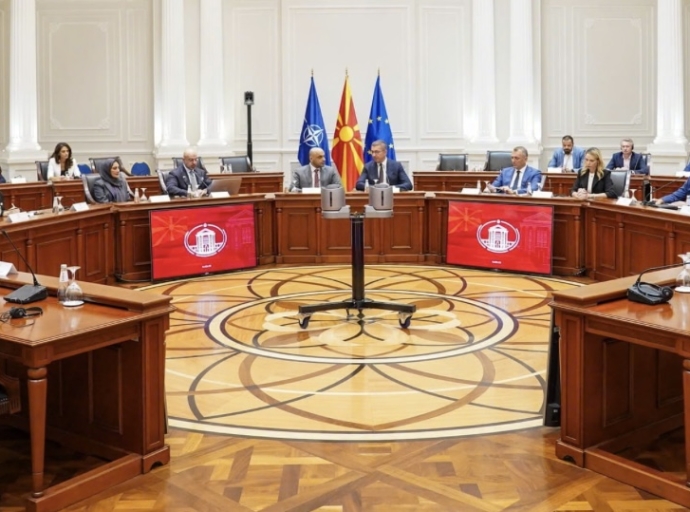
Dubai Chambers has explored expanding trade and investment relations with the Republic of North Macedonia in a recent high-level meeting held during an official visit to Skopje. The delegation, led by H.E. Mohammad Ali Rashed Lootah, President and CEO of Dubai Chambers, met with H.E. Professor Dr. Hristijan Mickoski, Prime Minister of North Macedonia, to discuss deepening bilateral economic ties and advancing joint projects and investments.
The discussions focused on fostering stronger partnerships in key sectors such as trade, energy, tourism, agriculture, and technology. The meeting underscored Dubai's strategic role as a global business hub and highlighted new opportunities for North Macedonian businesses to expand into Dubai’s market, and vice versa. H.E. Lootah reaffirmed Dubai’s commitment to advancing international trade cooperation and building bridges for economic activity worldwide, adding that this visit was part of broader efforts to unlock new growth avenues.
This diplomatic engagement follows an earlier delegation from North Macedonia to Dubai in April 2025. The exchange marks a continued push to accelerate economic partnerships and stimulate investment in both directions. According to H.E. Mickoski, the visit opens up new pathways for cooperation and helps create stronger, mutually beneficial trade relations.
The value of non-oil trade between Dubai and North Macedonia reached AED 1.8 billion during the five years from 2020 to 2024, reflecting a solid foundation for future collaboration. The number of Macedonian companies registered as members of Dubai Chamber of Commerce has surged by 522%, from just nine in 2020 to 56 by mid-2025, illustrating significant growth in business engagement between the two regions.
Dubai’s strategic advantages as a business hub for North Macedonian companies were also highlighted during the discussions. Key sectors identified for potential Macedonian exports to Dubai include pharmaceuticals, apparel, bakery products, preserved vegetables, marble and stone, mineral waters, and copper wire. The sectors where Macedonian companies have found success in Dubai include Real Estate, Construction, Education, and Trading & Services.
This mission forms part of the ‘Growth Corridors’ initiative by Dubai Chambers, designed to bolster trade and investment flows between Dubai and high-potential international markets. Through these missions, Dubai seeks to strengthen its role as a gateway for global business expansion, fostering sectoral integration and encouraging joint ventures.
The initiative underscores Dubai’s adaptability in the face of changing global economic conditions and legislative environments. By offering investment incentives and cultivating strong business networks, Dubai Chambers aims to help local companies tap into new, promising markets with greater efficiency and confidence.
ALEC Holdings, a leading diversified engineering and construction group based in Dubai, has officially launched its initial public offering (IPO) on the Dubai Financial Market (DFM). The company has set the offer price range for its shares between AED 1.35 and AED 1.40, with the market capitalisation at listing expected to range from AED 6.75 billion (US$ 1.84 billion) to AED 7 billion (US$ 1.91 billion).
ALEC is offering a total of one billion shares, equivalent to 20% of its share capital, in this public offering. The total size of the IPO is estimated between AED 1.35 billion (US$ 368 million) and AED 1.40 billion (US$ 381 million). The shares being offered are existing shares held by the Investment Corporation of Dubai (ICD), the principal investment arm of the Government of Dubai. ICD will retain an 80% stake in ALEC after the offering.
The subscription period for the IPO opens today and runs until 30 September 2025. The final offer price will be determined through a book-building process, with the results expected to be announced by 1 October 2025. The IPO’s completion and the admission of shares to the DFM are currently slated for 15 October 2025, pending regulatory approvals.
The offering includes a portion reserved for retail investors, another for institutional investors, and a third for eligible employees of ALEC and ICD. Additionally, 10% of the shares in the institutional tranche are reserved for the Emirates Investment Authority (EIA) and the Pensions Social Security Fund of Local Military Personnel, with each fund allocated 5%. If they do not exercise their preferential rights, these shares will be available to other institutional investors.
The IPO also includes a lock-up period for both ALEC and ICD, lasting 180 days following the shares' admission to the market. The company has appointed xCube LLC to potentially stabilise the market price of the shares.
Shariah compliance for the offering has been confirmed by Emirates NBD’s internal Shariah Supervision Committee.
The IPO is being managed by a consortium of financial institutions, with Emirates NBD Capital and J.P. Morgan Securities serving as joint global coordinators and bookrunners. Other key participants include Abu Dhabi Commercial Bank, EFG-Hermes, and Moelis & Company.
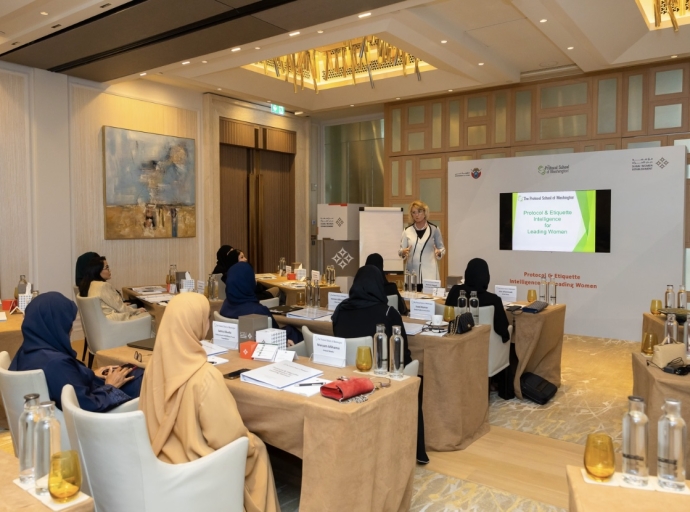
Under the directives of Her Highness Sheikha Manal bint Mohammed bin Rashid Al Maktoum, President of the Dubai Women Establishment (DWE), a protocol training program was held for 20 female leaders from government and semi-government entities in Dubai. The initiative is part of DWE’s broader mandate to enhance the leadership and professional capacities of Emirati women across sectors.
Conducted in partnership with The Protocol School of Washington, the three-day program took place from September 22 to 24. It aimed to strengthen participants’ executive presence and professional conduct, preparing them to represent their organisations in both domestic and international contexts.
The training addressed key areas such as official correspondence, diplomatic etiquette, personal diplomacy, and leadership through protocol. Participants were introduced to standards rooted in the UAE’s traditions, while also gaining practical tools for managing formal interactions and navigating complex professional environments.
Her Excellency Naeema Ahli, CEO of Dubai Women Establishment, said the program reflects DWE’s continued efforts to develop female talent and foster leadership that aligns with the nation’s strategic goals. She underscored the importance of protocol training in enhancing communication, building confidence, and enabling women to represent the UAE with competence and distinction.
The course was delivered by Mrs. Pamela Eyring, President of The Protocol School of Washington, and Mr. Saeed Al-Salkhadi, the school’s Vice President. It is one of several programs launched by DWE to equip Emirati women with the skills necessary to advance in high-level roles across industries.
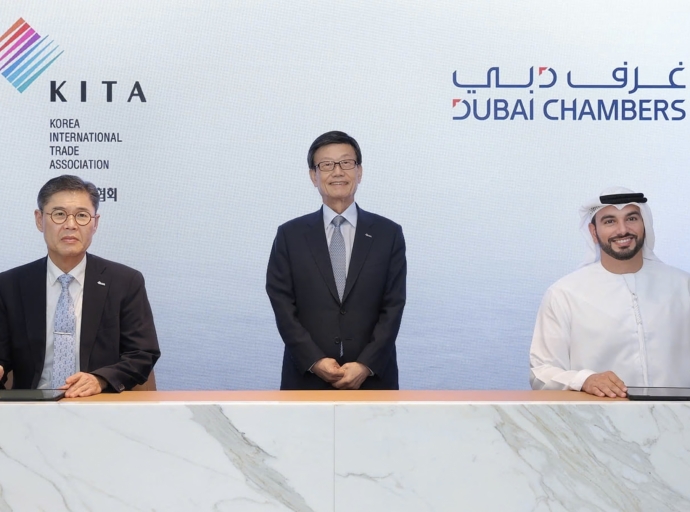
Dubai Chambers has introduced representatives from 25 South Korean companies to the emirate’s business environment during a recent roundtable aimed at fostering bilateral trade and investment ties. The ‘Dubai-Korea Roundtable Discussion’ was held in partnership with the Korea International Trade Association (KITA) and the UAE Embassy in Seoul.
The event drew approximately 60 participants, including representatives from 14 Dubai-based companies, and highlighted commercial opportunities in sectors such as agritech, artificial intelligence, fintech, mobility, energy, construction, and infrastructure. Organizers emphasized Dubai’s appeal as a platform for international expansion, particularly for technology-driven enterprises.
As part of the visit, Dubai Chambers and KITA signed a Memorandum of Understanding to deepen cooperation between the two private sectors. The agreement outlines plans for information sharing, delegation exchanges, and joint participation in business forums and exhibitions. The MoU was signed by Saeed Al Gergawi, Vice President of Dubai Chamber of Digital Economy, and Gi-Hyun Kim, Vice President of KITA, in the presence of KITA Chairman Jin-Sik Yoon.
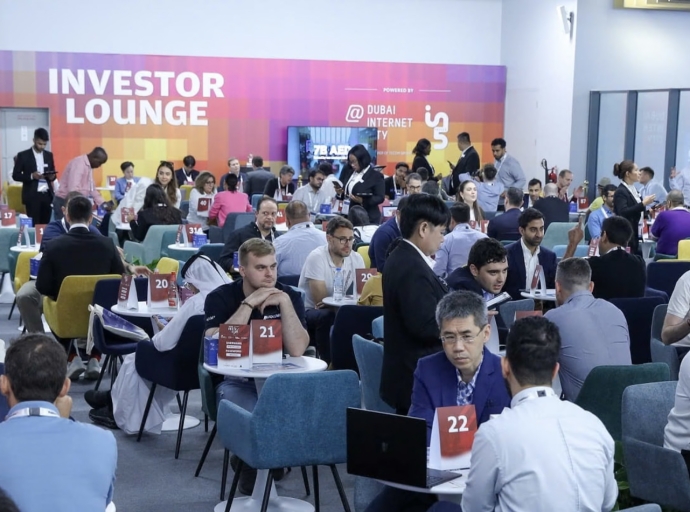
Al Gergawi noted that Dubai presents significant growth potential for Korean companies, including startups, especially in advanced technology sectors. He also highlighted the upcoming Expand North Star 2025 conference, billed as the world’s largest startup and investor event. Scheduled for October 12–15 at Dubai Harbour, the event is expected to draw a growing Korean presence. Last year, 152 South Korean companies participated - more than double the 72 that attended in 2023.
The roundtable reflects Dubai’s ongoing efforts to strengthen economic ties with key Asian markets while positioning itself as a global hub for innovation and investment.
In October 2025, Expand North Star - billed as the world’s largest event for startups and investors - will mark its 10th anniversary with a significant expansion in scope and programming. Organized by the Dubai World Trade Centre and hosted by the Dubai Chamber of Digital Economy, the event will take place from October 12 to 15 at Dubai Harbour.
The Dubai Chamber of Digital Economy, one of three chambers under the umbrella of Dubai Chambers, has announced five new features for the upcoming edition: ScaleX, the Consumer Tech Zone, North Star Green Impact, the Deeptech MEA Summit, and the Digital Assets Forum. These initiatives are aimed at broadening the platform’s reach and enhancing its role as a regional and international catalyst for digital innovation, investment, and entrepreneurship.
A Broader Ecosystem
Launched in 2015, Expand North Star has evolved into a global convergence point for founders, venture capital firms, technology leaders, and policymakers. The 2025 edition introduces targeted content zones and thematic summits, reflecting both the diversification of the tech sector and Dubai’s ambitions to accelerate its transition into a digital economy.
Among the key additions is ScaleX, a market access program curated for 100 of the world’s fastest-growing technology scaleups. The initiative combines remote preparation with in-person engagements at the event, aimed at facilitating expansion into the Middle East and other emerging markets.
The Consumer Tech Zone will provide a dedicated showcase for startups developing hardware and consumer-facing innovations in areas such as augmented and virtual reality, digital health devices, and connected lifestyle technologies. These early-stage companies are backed by accelerators, government innovation programs, and research hubs.
Emphasis on Sustainability and Deep Technology
The launch of North Star Green Impact introduces a new sustainability-focused platform spotlighting climate-tech startups. Areas of focus include clean energy, circular economy solutions, water conservation, and sustainable transportation. The initiative comes as climate-related ventures in the Middle East and North Africa region have seen increased investor interest, including a reported 40 percent annual rise in venture capital funding in 2023.
Another new addition, the Deeptech MEA Summit, will convene stakeholders from across the Middle East and Africa working in advanced technologies such as quantum computing, robotics, and artificial intelligence. The summit aims to foster collaboration between researchers, startups, and government bodies focused on commercializing deep technology innovation.
Meanwhile, the Digital Assets Forum will address emerging trends and regulatory developments in digital finance. Topics include central bank digital currencies, tokenization of assets, and the application of AI in financial infrastructure and risk management.
Signature Events Return
Several of Expand North Star’s flagship initiatives will return for the 2025 edition. The Supernova Challenge 2.0, a global startup pitch competition, will once again offer a prize pool of $200,000. The Corporate Arena, launched in 2024, will also return, providing a venue for enterprise leaders to engage with founders and explore investment or partnership opportunities.
The Tech Transfer Innovation Forum will continue its role in bridging the gap between academia and industry by connecting researchers, universities, and deep-tech entrepreneurs. Additionally, the event will host Marketing Mania, a conference focused on MarTech and brand storytelling in the age of AI.
Youth-oriented programs will also feature prominently. YouthX Unipreneur and Emaratipreneur will support student founders and emerging Emirati entrepreneurs, respectively. Networking activities are scheduled to continue into the evening hours under the North Star by Night banner, designed to foster informal dialogue and connections among attendees.
Economic Strategy
The expansion of the event aligns with broader policy goals under Dubai’s Economic Agenda (D33), which targets the city’s transformation into one of the top global digital economies. The Dubai Chamber of Digital Economy considers Expand North Star a central component of its strategy to position the emirate as a hub for innovation-led growth.
As the event enters its second decade, its organizers aim to leverage Dubai’s strategic location, business environment, and policy direction to attract and support the next generation of global technology leaders.